

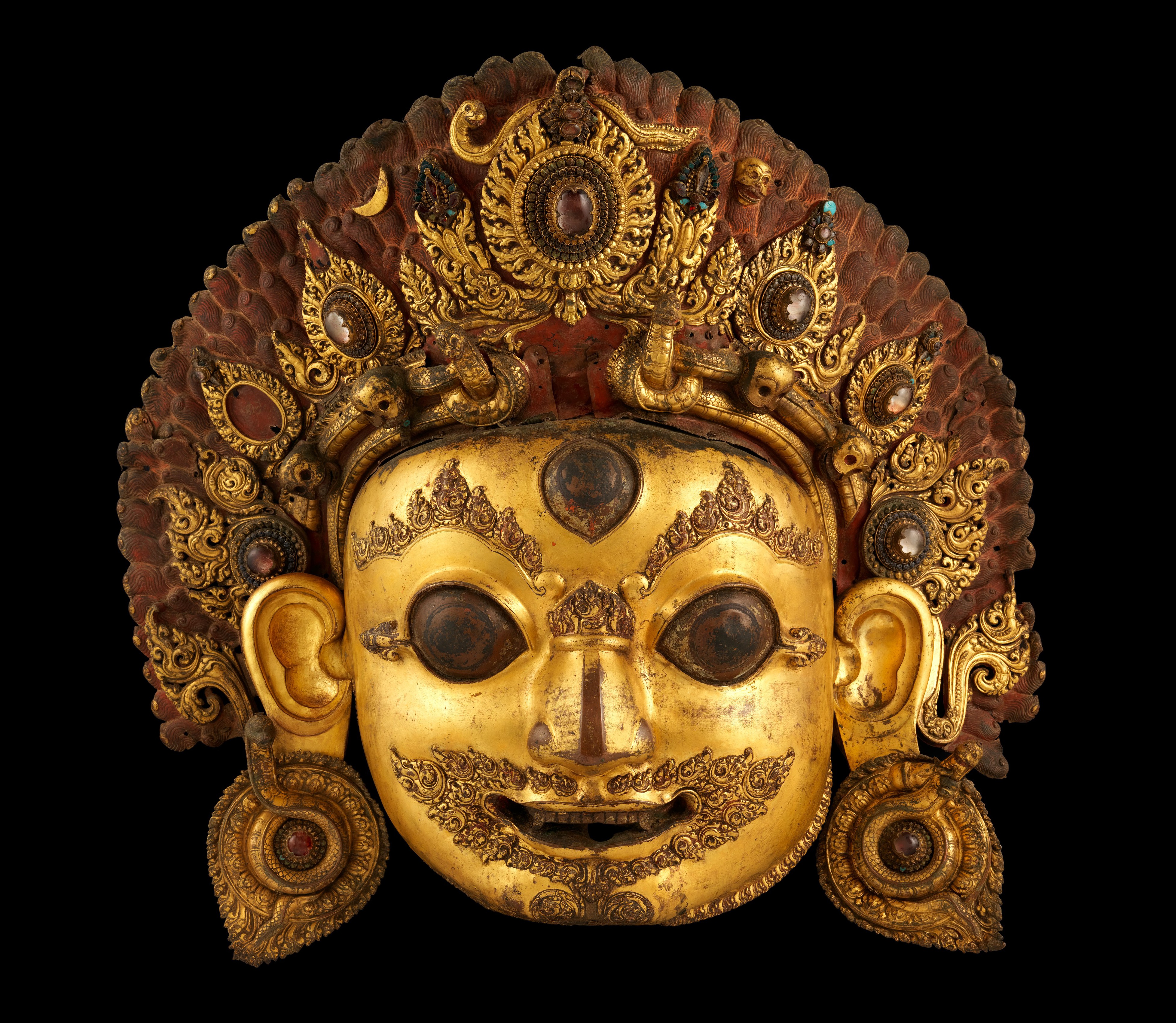
Practice pathway
Guided Meditations and a Free 7‑Day Immersion
Practice the VBT with the Tantra 112 app: wake up each morning with a foundational practice from one of the three Effective Methods, and then continue on with our 3-year curriculum, from Foundational to Intermediate, and Advanced.
You can start now with the first practice:


Opening Verses
श्रीदेव्युवाच ।
śrī-devy uvāca ।
The blessed Goddess said:
श्रुतं देव मया सर्वं रुद्रयामलसम्भवम् । त्रिकभेदमशेषेण सारात्सारविभागशः ॥
śrutaṃ deva mayā sarvaṃ rudra-yāmala-sambhavam । trika-bhedam aśeṣeṇa sārāt sāra-vibhāgaśaḥ ॥
O Lord, I have heard the entire teaching of the Trika that has arisen from our union, in scriptures of ever greater essentiality,
अद्यापि न निवृत्तो मे संशयः परमेश्वर । किं रूपं तत्त्वतो देव शब्दराशिकलामयम् ॥
adyāpi na nivṛtto me saṃśayaḥ parameśvara । kiṃ rūpaṃ tattvato deva śabdarāśi-kalā-mayam ॥
but even now my doubts have not yet dissolved, Parameśvara. What is the true nature of Reality, O Lord? Does it consist of the powers that inhere in the mass of phonemes?
किं वा नवात्मभेदेन भैरवे भैरवाकृतौ । त्रिशिरोभेदभिन्नं वा किं वा शक्तित्रयात्मकम् ॥
kiṃ vā navātma-bhedena bhairave bhairavākṛtau । triśiro-bheda-bhinnaṃ vā kiṃ vā śakti-trayātmakam ॥
Or, amongst the awesome forms of Bhairava, is it Navātman? Or is it the trinity of śaktis (Parā, Parāparā, and Aparā) that [also] constitute the three ‘heads’ of Triśirobhairava?
नादबिन्दुमयं वापि किं चन्द्रार्धनिरोधिकाः । चक्रारूढमनच्कं वा किं वा शक्तिस्वरूपकम् ॥
nāda-bindu-mayaṃ vāpi kiṃ candrārdha-nirodhikāḥ । cakrārūḍham anackaṃ vā kiṃ vā śakti-svarūpakam ॥
Or does it consist of the Resonance and the Point? Or the Half-moon and the Impeder? Or the vowelless mantra-phoneme installed in the Circle? Or is it [simply] Śakti [herself]?
परापरायाः सकलमपरायाश्च वा पुनः । पराया यदि तद्वत्स्यात्परत्वं तद्विरुध्यते ॥
parāparāyāḥ sakalam aparāyāś ca vā punaḥ । parāyā yadi tadvat syāt paratvaṃ tad virudhyate ॥
And another point: if the Supreme Goddess (Parā Devī) is [to be visualized] with attributes, [that is, anthropomorphically,] like Parāparā and Aparā, then her supremacy would be contradicted.
न हि वर्णविभेदेन देहभेदेन वा भवेत् । परत्वं निष्कलत्वेन सकलत्वे न तद्भवेत् ॥
na hi varṇa-vibhedena deha-bhedena vā bhavet । paratvaṃ niṣkalatvena sakala-tve na tad bhavet ॥
Nor [could she be supreme if she must be visualized] as having this color as opposed to that, or this form as opposed to that; supremacy is [properly associated] with formlessness, not with a specific form.
प्रसादं कुरु मे नाथ निःशेषं छिन्धि संशयम् ।
prasādaṃ kuru me nātha niḥśeṣaṃ chindhi saṃśayam ।
O Lord & husband, be gracious to me & make me clear: cut away my doubts completely!
साधु साधु त्वया पृष्टं तन्त्रसारमिदं प्रिये ॥
sādhu sādhu tvayā pṛṣṭaṃ tantra-sāram idaṃ priye ॥
Bravo! Bravo, my dear one. You have asked about the very essence of the Tantra(s).
गूहनीयतमं भद्रे तथापि कथयामि ते । यत्किंचित्सकलं रूपं भैरवस्य प्रकीर्तितम् ॥
gūhanīyatamaṃ bhadre tathāpi kathayāmi te । yat kiṃcit sakalaṃ rūpaṃ bhairavasya prakīrtitam ॥
I shall relate this most hidden of teachings to you, virtuous one. Know that the embodied forms of Bhairava I have taught in the scriptures
तदसारतया देवि विज्ञेयं शक्रजालवत् । मायास्वप्नोपमं चैव गन्धर्वनगरभ्रमम् ॥
tad asāratayā devi vijñeyaṃ śakrajālavat । māyā-svapnopamaṃ caiva gandharva-nagara-bhramam ॥
are not the real essence, O Goddess. They are like a magic trick, like dreams or illusions or castles in the sky,
ध्यानार्थं भ्रान्तबुद्धीनां क्रियाडम्बरवर्तिनाम् । केवलं वर्णितं पुंसां विकल्पनिहतात्मनाम् ॥
dhyānārthaṃ bhrānta-buddhīnāṃ kriyāḍambara-vartinām । kevalaṃ varṇitaṃ puṃsāṃ vikalpa-nihatātmanām ॥
taught only to help focus the meditation of those who are debilitated by dualistic thought, their minds confused, entangled in the details of ritual action.
तत्त्वतो न नवात्मासौ शब्दराशिर्न भैरवः । न चासौ त्रिशिरा देवो न च शक्तित्रयात्मकः ॥
tattvato na navātmāsau śabda-rāśir na bhairavaḥ । na cāsau triśirā devo na ca śakti-trayātmakaḥ ॥
In reality, [the true nature of] Bhairava is not Navātman, nor the mystic alphabet, nor the trinity of śaktis, nor the three-headed one,
नादबिन्दुमयो वापि न चन्द्रार्धनिरोधिकाः । न चक्रक्रमसम्भिन्नो न च शक्तिस्वरूपकः ॥
nāda-bindu-mayo vāpi na candrārdha-nirodhikāḥ । na cakra-krama-sambhinno na ca śakti-svarūpakaḥ ॥
nor does it consist of the Resonance and the Point, nor the Half-moon and the Impeder, nor that which is combined with the sequence of the Circle, nor [simply] Śakti [herself].
अप्रबुद्धमतीनां हि एता बालविभीषिकाः । मातृमोदकवत्सर्वं प्रवृत्त्यर्थमुदाहृतम् ॥
aprabuddha-matīnāṃ hi etā bāla-vibhīṣikāḥ । mātṛ-modakavat sarvaṃ pravṛtty-artham udāhṛtam ॥
These were taught to help unawakened people make progress [on the path], like a mother uses sweets and threats to influence her children’s behavior.
दिक्कालकलनोन्मुक्ता देशोद्देशाविशेषिणी । व्यपदेष्टुमशक्यासावकथ्या परमार्थतः ॥ अन्तःस्वानुभवानन्दा विकल्पोन्मुक्तगोचरा । यावस्था भरिताकारा भैरवी भैरवात्मनः ॥ तद्वपुस्तत्त्वतो ज्ञेयं विमलं विश्वपूरणम् । एवंविधे परे तत्त्वे कः पूज्यः कश्च तृप्यति ॥
dik-kāla-kalanonmuktā deśoddeśāviśeṣiṇī । vyapadeṣṭum aśakyāsāv akathyā paramārthataḥ ॥ antaḥ-svānubhavānandā vikalponmukta-gocarā । yāvasthā bharitākārā bhairavī bhairavātmanaḥ ॥ tad vapus tattvato jñeyaṃ vimalaṃ viśva-pūraṇam । evaṃvidhe pare tattve kaḥ pūjyaḥ kaś ca tṛpyati ॥
Know that in reality, the one pure universe-filling essence of Bhairava is that absolutely full state of being called ‘Goddess Bhairavī’. It is beyond reckoning in space or time, without direction or locality, impossible to represent, ultimately indescribable, a field free of mental constructs, blissful with the experience of that which is innermost. It is that essence which is ultimately real and fundamental. It is that which ought to be known and experienced. It is that which is inherently pure, and it is that which pervades everything. When this is the ultimate reality, who is to be worshiped and who gratified?
एवंविधा भैरवस्य यावस्था परिगीयते । सा परा पररूपेण परादेवी प्रकीर्तिता ॥
evaṃvidhā bhairavasya yāvasthā parigīyate । sā parā para-rūpeṇa parādevī prakīrtitā ॥
This state of Bhairava [called Bhairavī] is taught as supreme; it is proclaimed to be Parā Devī in her ultimate nature.
शक्तिशक्तिमतोर्यद्वदभेदः सर्वदा स्थितः । अतस्तद्धर्मधर्मित्वात्परा शक्तिः परात्मनः ॥
śakti-śaktimator yadvad abhedaḥ sarvadā sthitaḥ । atas tad-dharma-dharmitvāt parā śaktiḥ parātmanaḥ ॥
There is never the slightest separation between Śakti and her Host (i.e., Śiva); thus, because there can be no separation between a quality and that in which it inheres, the Power of the Supreme Being is itself Supreme.
न वह्नेर्दाहिका शक्तिर्व्यतिरिक्ता विभाव्यते । केवलं ज्ञानसत्तायां प्रारम्भोऽयं प्रवेशने ॥
na vahner dāhikā śaktir vyatiriktā vibhāvyate । kevalaṃ jñāna-sattāyāṃ prārambho ’yaṃ praveśane ॥
The power of fire to burn cannot be considered as distinct from the fire itself. Śakti is only considered separately [as a teaching tool] in the beginning, when [just] entering into the state of insight.
शक्त्यवस्थाप्रविष्टस्य निर्विभागेन भावना । तदासौ शिवरूपी स्याच्छैवी मुखमिहोच्यते ॥
śakty-avasthā-praviṣṭasya nirvibhāgena bhāvanā । tadāsau śiva-rūpī syāc chaivī mukham ihocyate ॥
In our way, Śiva’s śakti is said to be the entryway [into Śiva]. The meditative contemplation of one who enters into the śakti-state becomes nondual. When one’s experience of being becomes undivided in this way, one is Śiva himself.
यथालोकेन दीपस्य किरणैर्भास्करस्य च । ज्ञायते दिग्विभागादि तद्वच्छक्त्या शिवः प्रिये ॥
yathālokena dīpasya kiraṇair bhāskarasya ca । jñāyate digvibhāgādi tadvac chaktyā śivaḥ priye ॥
Just as different directions of any given space are known through the light of a lamp or the rays of the sun, in the same way Śiva is known through Śakti, O beloved.
श्रीदेव्युवाच ।
śrī-devy uvāca ।
The blessed Goddess said:
देवदेव त्रिशूलाङ्क कपालकृतभूषण । दिग्देशकालशून्या च व्यपदेशविवर्जिता ॥ यावस्था भरिताकारा भैरवस्योपलभ्यते । कैरुपायैर्मुखं तस्य परादेवी कथं भवेत् । यथा सम्यगहं वेद्मि तथा मे ब्रूहि भैरव ॥
deva-deva triśūlāṅka kapāla-kṛta-bhūṣaṇa । dig-deśa-kāla-śūnyā ca vyapadeśa-vivarjitā ॥ yāvasthā bharitākārā bhairavasyopalabhyate । kair upāyair mukhaṃ tasya parādevī kathaṃ bhavet । yathā samyag ahaṃ vedmi tathā me brūhi bhairava ॥
O God of gods whose symbol is the trident and whose ornaments are made from human skulls: this state of fullness of the Divine—free of time, space, or locality, and impossible to represent conceptually—by what means is it attained? And how does the Supreme Goddess become the gateway into That? Answer me this in such a way that I can completely understand it, O Bhairava!
भैरव उवाच ।
bhairava uvāca ।
Bhairava replied:
The 112 practices
ऊर्ध्वे प्राणो ह्यधो जीवो विसर्गात्मा परोच्चरेत् । उत्पत्तिद्वितयस्थाने भरणाद्भरिता स्थितिः ॥
ūrdhve prāṇo hy adho jīvo visargātmā paroccaret । utpatti-dvitaya-sthāne bharaṇād bharitā sthitiḥ ॥
The Supreme Goddess constantly articulates as the life-giving flow of breath: prāṇa (exhale) rising up, and jīva (inhale)—the movement into embodiment—descending. By pausing at the two places where the flows of breath arise, and filling those points [with silent awareness], one abides in the state of inner fullness.
मरुतोऽन्तर्बहिर्वापि वियद्युग्मानिवर्तनात् । भैरव्या भैरवस्येत्थं भैरवि व्यज्यते वपुः ॥
maruto ’ntar bahir vāpi viyad-yugmānivartanāt । bhairavyā bhairavasyetthaṃ bhairavi vyajyate vapuḥ ॥
O Bhairavī! By not turning back [too soon] from the pair of spaces, inner and outer, where the breath pauses, the form of Bhairava is manifested thus through Bhairavī (as in: the still space of awareness underlying the movement of prāṇa is revealed).
न व्रजेन्न विशेच्छक्तिर्मरुद्रूपा विकासिते । निर्विकल्पतया मध्ये तया भैरवरूपता ॥
na vrajen na viśec chaktir marud-rūpā vikāsite । nirvikalpatayā madhye tayā bhairava-rūpatā ॥
When the prāṇa-śakti does not move out nor enters in, the Center [suddenly] expands and thoughts melt away. By virtue of that, one is endowed with the Bhairava-state.
कुम्भिता रेचिता वापि पूरिता वा यदा भवेत् । तदन्ते शान्तनामासौ शक्त्या शान्तः प्रकाशते ॥
kumbhitā recitā vāpi pūritā vā yadā bhavet । tad-ante śānta-nāmāsau śaktyā śāntaḥ prakāśate ॥
When that [breath-power] called ‘quiescent’ is retained after inhale or even after exhale, at the end of that [moment of stillness], the Tranquil One manifests through that power.
आमूलात्किरणाभासां सूक्ष्मात्सूक्ष्मतरात्मिकाम् । चिन्तयेत्तां द्विषट्कान्ते शाम्यन्तीं भैरवोदयः ॥
āmūlāt kiraṇābhāsāṃ sūkṣmāt sūkṣmatarātmikām । cintayet tāṃ dviṣaṭkānte śāmyantīṃ bhairavodayaḥ ॥
Imagine the subtlest possible form [of prāṇa-śakti] as rays of light shining upward from the root [of the central channel] and peacefully dissolving in the highest center above the crown; then Bhairava (intensified awareness) arises.
उद्गच्छन्तीं तडिद्रूपां प्रतिचक्रं क्रमात्क्रमम् । ऊर्ध्वं मुष्टित्रयं यावत्तावदन्ते महोदयः ॥
udgacchantīṃ taḍid-rūpāṃ prati-cakraṃ kramāt kramam । ūrdhvaṃ muṣṭi-trayaṃ yāvat tāvad ante mahodayaḥ ॥
Imagine the śakti rising like a streak of lightning from one subtle center to the next in succession. When She reaches the upper[most] center, three fists above the crown, there comes the Great Dawn of liberation [and prosperity].
क्रमद्वादशकं सम्यग्द्वादशाक्षरभेदितम् । स्थूलसूक्ष्मपरस्थित्या मुक्त्वा मुक्त्वान्ततः शिवः ॥
krama-dvādaśakaṃ samyag dvādaśākṣara-bheditam । sthūla-sūkṣma-para-sthityā muktvā muktvāntataḥ śivaḥ ॥
There are twelve [such centers] in sequence; properly associated with twelve vowels. By fixing awareness on each one, in successively coarse, subtle, and supreme forms, and then abandoning each, in the end, [one knows] God.
तयापूर्याशु मूर्धान्तं भङ्क्त्वा भ्रूक्षेपसेतुना । निर्विकल्पं मनः कृत्वा सर्वोर्ध्वे सर्वगोद्गमः ॥
tayāpūryāśu mūrdhāntaṃ bhaṅktvā bhrū-kṣepa-setunā । nirvikalpaṃ manaḥ kṛtvā sarvordhve sarvagodgamaḥ ॥
Having quickly filled [the central channel] up to the head with that energy, and having [temporarily] blocked [the flow of energy] with the ‘dike’ of knitted brows, and [thus] having made the mind thought-free, one ascends to the all-pervasive state in the [place] above all.
शिखिपक्षैश्चित्ररूपैर्मण्डलैः शून्यपञ्चकम् । ध्यायतोऽनुत्तरे शून्ये प्रवेशो हृदये भवेत् ॥
śikhi-pakṣaiś citra-rūpair maṇḍalaiḥ śūnya-pañcakam । dhyāyato ’nuttare śūnye praveśo hṛdaye bhavet ॥
Meditating on the Five Spaces as the colorful circles of the peacock’s feathers, one enters the Heart, the Supreme Space.
ईदृशेन क्रमेणैव यत्र कुत्रापि चिन्तना । शून्ये कुड्ये परे पात्रे स्वयं लीना वरप्रदा ॥
īdṛśena krameṇaiva yatra kutrāpi cintanā । śūnye kuḍye pare pātre svayaṃ līnā vara-pradā ॥
By the very same process, in whichever [substrate] one’s thinking-mind spontaneously dissolves—whether an [inner] space, a [blank] wall, or a perfectly shaped vessel—such dissolution bestows the boon [of the Bhairava-state].
कपालान्तर्मनो न्यस्य तिष्ठन्मीलितलोचनः । क्रमेण मनसो दार्ढ्याल्लक्षयेल्लक्ष्यमुत्तमम् ॥
kapālāntar-mano nyasya tiṣṭhan mīlita-locanaḥ । krameṇa manaso dārḍhyāl lakṣayel lakṣyam uttamam ॥
Remaining with eyes closed, fix your attention inside the cranium; by means of gradually increasing steadiness of mind, you will perceive that which is most worthy of being perceived.
मध्यनाडी मध्यसंस्था बिससूत्राभरूपया । ध्यातान्तर्व्योमया देव्या तया देवः प्रकाशते ॥
madhya-nāḍī madhya-saṃsthā bisa-sūtrābha-rūpayā । dhyātāntar-vyomayā devyā tayā devaḥ prakāśate ॥
The central channel is situated in the core [of one’s being]. Meditate on it as having a form like a slender lotus fiber, [and] as being the Goddess in the form of the innermost Space; through Her, [the experience of] God will manifest.
कररुद्धदृगस्त्रेण भ्रूभेदाद्द्वाररोधनात् । दृष्टे बिन्दौ क्रमाल्लीने तन्मध्ये परमा स्थितिः ॥
kara-ruddha-dṛg-astreṇa bhrū-bhedād dvāra-rodhanāt । dṛṣṭe bindau kramāl līne tan-madhye paramā sthitiḥ ॥
If the yogī] closes the doors [of the senses] with the ‘weapon’ by which [external] perception is blocked with the [assistance of the] hands, [and] pierces the eyebrow-center, he will [eventually] perceive the Bindu. When it dissolves, [one will experience the state of] Supreme Stasis in one’s Center.
धामान्तःक्षोभसम्भूतसूक्ष्माग्नितिलकाकृतिम् । बिन्दुं शिखान्ते हृदये लयान्ते ध्यायतो लयः ॥
dhāmāntaḥ-kṣobha-sambhūta-sūkṣmāgni-tilakākṛtim । binduṃ śikhānte hṛdaye layānte dhyāyato layaḥ ॥
Meditate on the Bindu as a tilak of subtle fire produced by the inner stimulation of the Radiant Abode, visualizing it in the heart or above the head; when it dissolves, there is dissolution [into pure Presence].
अनाहते पात्रकर्णेऽभग्नशब्दे सरिद्द्रुते । शब्दब्रह्मणि निष्णातः परं ब्रह्माधिगच्छति ॥
anāhate pātra-karṇe ’bhagna-śabde sarid-drute । śabda-brahmaṇi niṣṇātaḥ paraṃ brahmādhigacchati ॥
One who is steeped in the Brahman-that-is-sound, in the uninterrupted Unstruck [Sound], [like] a rushing river in the vessel of the ear, attains supreme Brahman.
प्रणवादिसमुच्चारात्प्लुतान्ते शून्यभावनात् । शून्यया परया शक्त्या शून्यतामेति भैरवि ॥
praṇavādi-samuccārāt plutānte śūnya-bhāvanāt । śūnyayā parayā śaktyā śūnyatām eti bhairavi ॥
O Goddess, by performing complete uccāra of the praṇava and meditating on the void at the end of its protracted/saturated sound, one enters into the Spacious Openness by means of the void which is the Supreme Power.
यस्य कस्यापि वर्णस्य पूर्वान्तावनुभावयेत् । शून्यया शून्यभूतोऽसौ शून्याकारः पुमान्भवेत् ॥
yasya kasyāpi varṇasya pūrvāntāv anubhāvayet । śūnyayā śūnya-bhūto ’sau śūnyākāraḥ pumān bhavet ॥
A person who fosters the [subtle] experience/perception of the very beginning and ending of any syllable, sound, or musical note, becomes, by means of the feminine void, empty, open, & spacious, his very form [nothing but] that spaciousness.
तन्त्र्यादिवाद्यशब्देषु दीर्घेषु क्रमसंस्थितेः । अनन्यचेताः प्रत्यन्ते परव्योमवपुर्भवेत् ॥
tantry-ādi-vādya-śabdeṣu dīrgheṣu krama-saṃsthiteḥ । ananya-cetāḥ pratyante para-vyoma-vapur bhavet ॥
If one’s heart-mind is completely focused on the prolonged sounds of a musical instrument such as a tantrī (a stringed instrument like a tanpūra), through the duration of the phases [of their resonance], at the limit [of the perceptible sound] one’s beautiful form may become that of the [formless] supreme Void.
पिण्डमन्त्रस्य सर्वस्य स्थूलवर्णक्रमेण तु । अर्धेन्दुबिन्दुनादान्तः शून्योच्चाराद्भवेच्छिवः ॥
piṇḍa-mantrasya sarvasya sthūla-varṇa-krameṇa tu । ardhendu-bindu-nādāntaḥ śūnyoccārād bhavec chivaḥ ॥
Through internal enunciation of an entire piṇḍa-mantra in accordance with the sequence of its articulable letters, [followed by] the Half-moon, the Point, the Resonance, the End of Resonance, and the Void, one becomes Śiva.
निजदेहे सर्वदिक्कं युगपद्भावयेद्वियत् । निर्विकल्पमनास्तस्य वियत्सर्वं प्रवर्तते ॥
nija-dehe sarva-dikkaṃ yugapad bhāvayed viyat । nirvikalpa-manās tasya viyat sarvaṃ pravartate ॥
One may contemplate Space/Sky in all directions within one’s own body simultaneously. [Through this meditation,] the mind becomes free of dichotomizing beliefs and everything becomes spacious.
पृष्टशून्यं मूलशून्यं युगपद्भावयेच्च यः । शरीरनिरपेक्षिण्या शक्त्या शून्यमना भवेत् ॥
pṛṣṭa-śūnyaṃ mūla-śūnyaṃ yugapad bhāvayec ca yaḥ । śarīra-nirapekṣiṇyā śaktyā śūnya-manā bhavet ॥
One should meditate upon the space above (at the crown of the head) and the space in the root [of the body] simultaneously. Through the Power that is independent of the body, one’s mind will become empty & spacious.
पृष्टशून्यं मूलशून्यं हृच्छून्यं भावयेत्स्थिरम् । युगपन्निर्विकल्पत्वान्निर्विकल्पोदयस्ततः ॥
pṛṣṭa-śūnyaṃ mūla-śūnyaṃ hṛc-chūnyaṃ bhāvayet sthiram । yugapan nirvikalpatvān nirvikalpodayas tataḥ ॥
One should steadily contemplate the space above, the space in the root, and the space in the heart simultaneously. [In this process,] one becomes free of dichotomizing beliefs, due to which the unconstructed state arises.
तनूदेशे शून्यतैव क्षणमात्रं विभावयेत् । निर्विकल्पं निर्विकल्पो निर्विकल्पस्वरूपभाक् ॥
tanūdeśe śūnyataiva kṣaṇa-mātraṃ vibhāvayet । nirvikalpaṃ nirvikalpo nirvikalpa-svarūpa-bhāk ॥
In any given moment, one may consider/contemplate any part of the body as if it were pure Emptiness/Spaciousness, without thinking about it. One who becomes free of dichotomizing beliefs [in this way] directly senses & participates in their unconstructed essence-nature.
सर्वं देहगतं द्रव्यं वियद्व्याप्तं मृगेक्षणे । विभावयेत्ततस्तस्य भावना सा स्थिरा भवेत् ॥
sarvaṃ dehagataṃ dravyaṃ viyad-vyāptaṃ mṛgekṣaṇe । vibhāvayet tatas tasya bhāvanā sā sthirā bhavet ॥
O doe-eyed woman, one may imagine that all the tissues of the body are pervaded by Space; through this [practice], one’s meditation will become stable & steady.
देहान्तरे त्वग्विभागं भित्तिभूतं विचिन्तयेत् । न किंचिदन्तरे तस्य ध्यायन्नध्येयभाग्भवेत् ॥
dehāntare tvag-vibhāgaṃ bhitti-bhūtaṃ vicintayet । na kiṃcid antare tasya dhyāyann adhyeya-bhāg bhavet ॥
One may imagine that the ‘dividing wall’ of skin is [merely] a screen, within which there is nothing; meditating [in this way], one directly senses that which can never be an object of meditation.
हृद्याकाशे निलीनाक्षः पद्मसम्पुटमध्यगः । अनन्यचेताः सुभगे परं सौभाग्यमाप्नुयात् ॥
hṛdyākāśe nilīnākṣaḥ padma-sampuṭa-madhyagaḥ । ananya-cetāḥ subhage paraṃ saubhāgyam āpnuyāt ॥
With one’s sense-faculties dissolved in the space of the Heart—in the innermost recess of the Lotus—with one’s attention on nothing else: O blessed Lady, one will obtain supreme blessedness.
सर्वतः स्वशरीरस्य द्वादशान्ते मनोलयात् । दृढबुद्धेर्दृढीभूतं तत्त्वलक्ष्यं प्रवर्तते ॥
sarvataḥ sva-śarīrasya dvādaśānte mano-layāt । dṛḍha-buddher dṛḍhī-bhūtaṃ tattva-lakṣyaṃ pravartate ॥
Completely dissolve the mind in the upper limit of one’s [subtle] body [above the head]; through this practice, one of steady mind firmly realises the goal of Reality.
यथा तथा यत्र तत्र द्वादशान्ते मनः क्षिपेत् । प्रतिक्षणं क्षीणवृत्तेर्वैलक्षण्यं दिनैर्भवेत् ॥
yathā tathā yatra tatra dvādaśānte manaḥ kṣipet । pratikṣaṇaṃ kṣīṇa-vṛtter vailakṣaṇyaṃ dinair bhavet ॥
Wherever you may be, whatever you may be doing, you may cast your attention to the dvādaśānta in any given moment. As mental agitation dies away, something indescribable may occur within days.
कालाग्निना कालपदादुत्थितेन स्वकं पुरम् । प्लुष्टं विचिन्तयेदन्ते शान्ताभासस्तदा भवेत् ॥
kālāgninā kāla-padād utthitena svakaṃ puram । pluṣṭaṃ vicintayed ante śāntābhāsas tadā bhavet ॥
One may imagine that one’s own body is incinerated by the Fire of Time rising from the feet; at the end [of this process] there is the radiant shining of pure tranquillity; one becomes that peaceful shining.
एवमेव जगत्सर्वं दग्धं ध्यात्वा विकल्पतः । अनन्यचेतसः पुंसः पुम्भावः परमो भवेत् ॥
evam eva jagat-sarvaṃ dagdhaṃ dhyātvā vikalpataḥ । ananya-cetasaḥ puṃsaḥ pumbhāvaḥ paramo bhavet ॥
In the same way, imagining the whole world incinerated [by fire], a person of disciplined mind experiences the supreme state of the soul.
स्वदेहे जगतो वापि सूक्ष्मसूक्ष्मतराणि च । तत्त्वानि यानि निलयं ध्यात्वान्ते व्यज्यते परा ॥
sva-dehe jagato vāpi sūkṣma-sūkṣmatarāṇi ca । tattvāni yāni nilayaṃ dhyātvānte vyajyate parā ॥
Meditating on the Principles of Reality dissolving, each more subtle than the last, in one’s own body or in the world, the Supreme Goddess manifests in the end.
पीनां च दुर्बलां शक्तिं ध्यात्वा द्वादशगोचरे । प्रविश्य हृदये ध्यायन्स्वप्नस्वातन्त्र्यमाप्नुयात् ॥
pīnāṃ ca durbalāṃ śaktiṃ dhyātvā dvādaśa-gocare । praviśya hṛdaye dhyāyan svapna-svātantryam āpnuyāt ॥
Meditating on the śakti [of the breath] as thick in the heart and gentle in the area of the dvādaśānta, [and then] entering [fully] into that śakti and meditating [on it], one attains freedom in one’s dreams.
भुवनाध्वादिरूपेण चिन्तयेत्क्रमशोऽखिलम् । स्थूलसूक्ष्मपरस्थित्या यावदन्ते मनोलयः ॥
bhuvanādhvādi-rūpeṇa cintayet kramaśo ’khilam । sthūla-sūkṣma-para-sthityā yāvad ante mano-layaḥ ॥
One may contemplate the Path of Worlds or [any of the other Paths] completely in proper sequence: through stabilizing [this contemplation] in coarse, subtle, and supreme forms, in the end the mind dissolves [into the Absolute].
अस्य सर्वस्य विश्वस्य पर्यन्तेषु समन्ततः । अध्वप्रक्रियया तत्त्वं शैवं ध्यात्वा महोदयः ॥
asya sarvasya viśvasya paryanteṣu samantataḥ । adhva-prakriyayā tattvaṃ śaivaṃ dhyātvā mahodayaḥ ॥
Thoroughly meditating on the adhva-prakriyā, up to the limits of this entire universe, then on the Śaiva Tattva, there comes the Great Dawn of liberation.
विश्वमेतन्महादेवि शून्यभूतं विचिन्तयेत् । तत्रैव च मनो लीनं ततस्तल्लयभाजनम् ॥
viśvam etan mahā-devi śūnya-bhūtaṃ vicintayet । tatraiva ca mano līnaṃ tatas tal-laya-bhājanam ॥
O great Goddess, one may consider this universe as Empty Void; the mind dissolves in that very [Emptiness], then one shares in its dissolution.
घटादिभाजने दृष्टिं भित्तीस्त्यक्त्वा विनिक्षिपेत् । तल्लयं तत्क्षणाद्गत्वा तल्लयात्तन्मयो भवेत् ॥
ghaṭādi-bhājane dṛṣṭiṃ bhittīs tyaktvā vinikṣipet । tal-layaṃ tat-kṣaṇād gatvā tal-layāt tan-mayo bhavet ॥
One may cast one’s gaze into a well-formed vessel, such as a bowl, [and] leaving aside its walls, [become absorbed in the space it encloses]. At the very moment [the mind] dissolves into that [space], one becomes that simple open spaciousness.
निर्वृक्षगिरिभित्त्यादिदेशे दृष्टिं विनिक्षिपेत् । विलीने मानसे भावे वृत्तिक्षीणः प्रजायते ॥
nir-vṛkṣa-giri-bhitty-ādi-deśe dṛṣṭiṃ vinikṣipet । vilīne mānase bhāve vṛtti-kṣīṇaḥ prajāyate ॥
One may cast one’s gaze on an area free of trees, mountains, walls, and so on; when the mental state dissolves into [that open field], then arises the state of being in which mental-emotional churning/activity is feeble or absent.
उभयोर्भावयोर्ज्ञाने ध्यात्वा मध्यं समाश्रयेत् । युगपच्च द्वयं त्यक्त्वा मध्ये तत्त्वं प्रकाशते ॥
ubhayor bhāvayor jñāne dhyātvā madhyaṃ samāśrayet । yugapac ca dvayaṃ tyaktvā madhye tattvaṃ prakāśate ॥
Contemplating the cognition of any two objects, or any two states of mind, take refuge in the center [between them] & rest in the center. Releasing both simultaneously, Reality shines forth in the Center.
भावे त्यक्ते निरुद्धा चिन्नैव भावान्तरं व्रजेत् । तदा तन्मध्यभावेन विकसत्यति भावना ॥
bhāve tyakte niruddhā cin naiva bhāvāntaraṃ vrajet । tadā tan-madhya-bhāvena vikasaty ati-bhāvanā ॥
When any mental-emotional state or mood has dissolved, let awareness be checked: do not move on to another bhāva [right away]. Then, through the felt-sense of one’s Center, a deeper contemplation [of one’s essence-nature] expands & blossoms.
सर्वं देहं चिन्मयं हि जगद्वा परिभावयेत् । युगपन्निर्विकल्पेन मनसा परमोदयः ॥
sarvaṃ dehaṃ cin-mayaṃ hi jagad vā paribhāvayet । yugapan nirvikalpena manasā paramodayaḥ ॥
One may contemplate [the Truth] that one’s entire body, or indeed the whole world, consists of [nothing but] Consciousness. Through the nonconceptual mind [directly seeing this truth] all at once, there comes the Supreme Dawning [of liberation].
वायुद्वयस्य संघट्टादन्तर्वा बहिरन्ततः । योगी समत्वविज्ञानसमुद्गमनभाजनम् ॥
vāyu-dvayasya saṃghaṭṭād antar vā bahir antataḥ । yogī samatva-vijñāna-samudgamana-bhājanam ॥
Due to the fusion of the prāṇa-vāyus at the external or internal terminus, the yogī becomes a ‘worthy vessel’ for the arising of equality-consciousness.
सर्वं जगत्स्वदेहं वा स्वानन्दभरितं स्मरेत् । युगपत्स्वामृतेनैव परानन्दमयो भवेत् ॥
sarvaṃ jagat sva-dehaṃ vā svānanda-bharitaṃ smaret । yugapat svāmṛtenaiva parānanda-mayo bhavet ॥
Meditate on your own body, or the whole world, or both simultaneously, as filled with your innate joy. Through that inner ‘nectar’, you become made of sublime bliss.
कुहनेन प्रयोगेन सद्य एव मृगेक्षणे । समुदेति महानन्दो येन तत्त्वं प्रकाशते ॥
kuhanena prayogena sadya eva mṛgekṣaṇe । samudeti mahānando yena tattvaṃ prakāśate ॥
O doe-eyed woman, through the ‘trick-method’, great joy suddenly arises, through which reality is revealed.
सर्वस्रोतोनिबन्धेन प्राणशक्त्योर्ध्वया शनैः । पिपीलस्पर्शवेलायां प्रथते परमं सुखम् ॥
sarva-sroto-nibandhena prāṇa-śaktyordhvayā śanaiḥ । pipīla-sparśa-velāyāṃ prathate paramaṃ sukham ॥
The practitioner who stops all the streams of prāṇa-śakti [from flowing out through the senses and orifices] will experience it [enter the central channel and] slowly rise upward. In time he will experience a sensation [like the crawling] of ants [on his skin]; then supreme happiness manifests.
वह्नेर्विषस्य मध्ये तु चित्तं सुखमयं क्षिपेत् । केवलं वायुपूर्णं वा स्मरानन्देन युज्यते ॥
vahner viṣasya madhye tu cittaṃ sukha-mayaṃ kṣipet । kevalaṃ vāyu-pūrṇaṃ vā smarānandena yujyate ॥
One may cast one’s heart-mind, full of pleasure, into the center [point] between the ‘fire’ [at the root] and the ‘poison’ [at the tip] with either kevala-kumbhaka or pūraka-kumbhaka; thus one is connected to the bliss of passionate love.
शक्तिसंगमसंक्षुब्धशक्त्यावेशावसानिकम् । यत्सुखं ब्रह्मतत्त्वस्य तत्सुखं स्वाक्यमुच्यते ॥
śakti-saṃgama-saṃkṣubdha-śaktyāveśāvasānikam । yat sukhaṃ brahma-tattvasya tat sukhaṃ svākyam ucyate ॥
The stimulation caused by union with the consecrated female partner gives rise to a pleasure which culminates in immersion into [pure] Energy; that is the joy of the Principle of the Absolute [itself]; [and] that is said to be the pleasure innate [to all humans].
लेहनामन्थनाकोटैः स्त्रीसुखस्य भरात्स्मृतेः । शक्त्यभावेऽपि देवेशि भवेदानन्दसम्प्लवः ॥
lehanā-manthanā-koṭaiḥ strī-sukhasya bharāt smṛteḥ । śakty-abhāve ’pi deveśi bhaved ānanda-samplavaḥ ॥
Let the whole body remember the pleasure of licking, writhing, and grinding with a woman; even without the consort’s presence, O Queen of the Gods, there may be a flood of bliss.
आनन्दे महति प्राप्ते दृष्टे वा बान्धवे चिरात् । आनन्दमुद्गतं ध्यात्वा तल्लयस्तन्मना भवेत् ॥
ānande mahati prāpte dṛṣṭe vā bāndhave cirāt । ānandam udgataṃ dhyātvā tal-layas tan-manā bhavet ॥
When you feel great joy, as when seeing a loved one after a long time, meditate on it. Let the mind dissolve into it; become one with it.
जग्धिपानकृतोल्लासरसानन्दविजृम्भणात् । भावयेद्भरितावस्थां महानन्दस्ततो भवेत् ॥
jagdhi-pāna-kṛtollāsa-rasānanda-vijṛmbhaṇāt । bhāvayed bharitāvasthāṃ mahānandas tato bhavet ॥
One should meditate on the state of [innate] fullness that expands due to the delight of savoring the warm glow of good food and drink; and that joy will become sublime.
गीतादिविषयास्वादासमसौख्यैकतात्मनः । योगिनस्तन्मयत्वेन मनोरूढेस्तदात्मता ॥
gītādi-viṣayāsvādāsama-saukhyaikatātmanaḥ । yoginas tan-maya-tvena mano-rūḍhes tad-ātmatā ॥
The yogin who relishes music and song to the extent that s/he merges with it becomes filled with unparalleled happiness, attains heightened awareness, and experiences oneness with the Divine.
यत्र यत्र मनस्तुष्टिर्मनस्तत्रैव धारयेत् । तत्र तत्र परानन्दस्वरूपं सम्प्रवर्तते ॥
yatra yatra manas tuṣṭir manas tatraiva dhārayet । tatra tatra parānanda-svarūpaṃ sampravartate ॥
Wherever the mind delights, let your attention linger there [in the felt-sense of that rapture]. In any such experience, the true nature of supreme bliss may shine forth.
अनागतायां निद्रायां प्रणष्टे बाह्यगोचरे । सावस्था मनसा गम्या परा देवी प्रकाशते ॥
anāgatāyāṃ nidrāyāṃ praṇaṣṭe bāhya-gocare । sāvasthā manasā gamyā parā devī prakāśate ॥
When the external sensory field has disappeared but sleep has not yet come, that [liminal] mental state is attainable in which the Supreme Goddess manifests.
तेजसा सूर्यदीपादेराकाशे शबलीकृते । दृष्टिर्निवेश्या तत्रैव स्वात्मरूपं प्रकाशते ॥
tejasā sūrya-dīpāder ākāśe śabalīkṛte । dṛṣṭir niveśyā tatraiva svātma-rūpaṃ prakāśate ॥
Let the gaze come to rest on a space that is dappled with the light of the sun or a lamp or suchlike; in that very [experience], the nature of one’s innate being may manifest.
करङ्किण्या क्रोधनया भैरव्या लेलिहानया । खेचर्या दृष्टिकाले च परावाप्तिः प्रकाशते ॥
karaṅkiṇyā krodhanayā bhairavyā lelihānayā । khecaryā dṛṣṭi-kāle ca parā-vāptiḥ prakāśate ॥
At the time of perception, the supreme attainment manifests through karaṅkiṇī, krodhanā, bhairavī, lelihānā and/or khecarī mudrās.
मृद्वासने स्फिजैकेन हस्तपादौ निराश्रयम् । निधाय तत्प्रसङ्गेन परा पूर्णा मतिर्भवेत् ॥
mṛdv-āsane sphijaikena hasta-pādau nirāśrayam । nidhāya tat-prasaṅgena parā pūrṇā matir bhavet ॥
Situating oneself on a soft seat, with only the buttocks touching it and the hands and feet suspended in the air, after remaining there [for some time], one’s resolution & determination become completely fulfilled.
उपविश्यासने सम्यग्बाहू कृत्वार्धकुञ्चितौ । कक्षव्योम्नि मनः कुर्वञ्शममायाति तल्लयात् ॥
upaviśyāsane samyag bāhū kṛtvārdha-kuñcitau । kakṣa-vyomni manaḥ kurvañ śamam āyāti tal-layāt ॥
Settling oneself on a seat properly and half-bending the arms, focus the mind in the space of the armpits. When the mind merges into that space, one attains tranquillity.
स्थूलरूपस्य भावस्य स्तब्धां दृष्टिं निपात्य च । अचिरेण निराधारं मनः कृत्वा शिवं व्रजेत् ॥
sthūla-rūpasya bhāvasya stabdhāṃ dṛṣṭiṃ nipātya ca । acireṇa nirādhāraṃ manaḥ kṛtvā śivaṃ vrajet ॥
Casting an unmoving gaze upon an object or being with a physical form and making the mind free of thoughts & projections [about that being or object], one attains Śiva.
मध्यजिह्वे स्फारितास्ये मध्ये निक्षिप्य चेतनाम् । होच्चारं मनसा कुर्वंस्ततः शान्ते प्रलीयते ॥
madhya-jihve sphāritāsye madhye nikṣipya cetanām । hoccāraṃ manasā kurvaṃs tataḥ śānte pralīyate ॥
Let the jaw go slack and the mouth open, with the tongue in the middle [pointing up] and cast awareness into the center. Doing uccāra of HA mentally, one will then dissolve into stillness.
आसने शयने स्थित्वा निराधारं विभावयन् । स्वदेहं मनसि क्षीणे क्षणात्क्षीणाशयो भवेत् ॥
āsane śayane sthitvā nirādhāraṃ vibhāvayan । sva-dehaṃ manasi kṣīṇe kṣaṇāt kṣīṇāśayo bhavet ॥
Situating oneself on a seat or a couch, [sitting or lying,] imagine your body is without support (i.e., it is floating in space): when the mind dissolves, you may suddenly become free of any substrate or support.
चलासने स्थितस्याथ शनैर्वा देहचालनात् । प्रशान्ते मानसे भावे देवि दिव्यौघमाप्नुयात् ॥
calāsane sthitasyātha śanair vā deha-cālanāt । praśānte mānase bhāve devi divyaugham āpnuyāt ॥
Situated on a swing or moving seat, or through the body slowly being rocked [by oneself or by a friend], one’s mental-emotional state becomes soothed & still, O Goddess, and one attains the Divine Flood [of Bliss].
आकाशं विमलं पश्यन् कृत्वा दृष्टिं निरन्तराम् । स्तब्धात्मा तत्क्षणाद्देवि भैरवं वपुराप्नुयात् ॥
ākāśaṃ vimalaṃ paśyan kṛtvā dṛṣṭiṃ nirantarām । stabdhātmā tatkṣaṇād devi bhairavaṃ vapur āpnuyāt ॥
Looking at the clear blue sky, with uninterrupted gaze, remaining completely still: all at once, O Goddess, one attains the ‘form’ of Bhairava.
लीनं मूर्ध्नि वियत्सर्वं भैरवत्वेन भावयेत् । तत्सर्वं भैरवाकारतेजस्तत्त्वं समाविशेत् ॥
līnaṃ mūrdhni viyat sarvaṃ bhairavatvena bhāvayet । tat sarvaṃ bhairavākāra-tejas-tattvaṃ samāviśet ॥
Imagine the entire sky as Bhairava, and that it is dissolved in your head [so your head is continuous with and has the same nature as the sky]. You will become completely permeated with the reality of the radiant energy that is Bhairava’s nature.
किंचिज्ज्ञातं द्वैतदायि बाह्यालोकस्तमः पुनः । विश्वादि भैरवं रूपं ज्ञात्वानन्तप्रकाशभृत् ॥
kiṃcij jñātaṃ dvaita-dāyi bāhyālokas tamaḥ punaḥ । viśvādi bhairavaṃ rūpaṃ jñātvānanta-prakāśa-bhṛt ॥
Having known the [three] states of ‘universe’ and so on—consisting of limited knowledge producing duality, illumination of the external, and darkness respectively—as the very form of Bhairava, he becomes one who carries within the infinite Light of Consciousness.
एवमेव दुर्निशायां कृष्णपक्षागमे चिरम् । तैमिरं भावयन्रूपं भैरवं रूपमेष्यति ॥
evam eva dur-niśāyāṃ kṛṣṇa-pakṣāgame ciram । taimiraṃ bhāvayan rūpaṃ bhairavaṃ rūpam eṣyati ॥
Similarly, on a dark & overcast moonless night, meditate on the formless ‘form’ of the darkness, and you will long for [and attain] Bhairava ’s formless form.
एवमेव निमील्यादौ नेत्रे कृष्णाभमग्रतः । प्रसार्य भैरवं रूपं भावयंस्तन्मयो भवेत् ॥
evameva nimīlyādau netre kṛṣṇābham agrataḥ । prasārya bhairavaṃ rūpaṃ bhāvayaṃs tan-mayo bhavet ॥
In just the same way [that is, on a dark night], first close your eyes [and behold] what looks like blackness in front of you; then opening them [and perceiving that same blackness in front of you], contemplate it as the very form of Bhairava, and you will attain His nature.
यस्य कस्येन्द्रियस्यापि व्याघाताच्च निरोधतः । प्रविष्टस्याद्वये शून्ये तत्रैवात्मा प्रकाशते ॥
yasya kasyendriyasyāpi vyāghātāc ca nirodhataḥ । praviṣṭasyādvaye śūnye tatraivātmā prakāśate ॥
Whoever blocks or obstructs one [or more] of the sense-organs may enter into the nondual Void—exactly there [the true nature of] the Self manifests.
अबिन्दुमविसर्गं च अकारं जपतो महान् । उदेति देवि सहसा ज्ञानौघः परमेश्वरः ॥
abindum avisargaṃ ca a-kāraṃ japato mahān । udeti devi sahasā jñānaughaḥ parameśvaraḥ ॥
O Goddess, one who repeats the phoneme ‘a’ without anusvāra or visarga [may experience] the sudden & powerful arising of the flood of insight that is identical with the Highest Divinity.
वर्णस्य सविसर्गस्य विसर्गान्तं चितिं कुरु । निराधारेण चित्तेन स्पृशेद्ब्रह्म सनातनम् ॥
varṇasya sa-visargasya visargāntaṃ citiṃ kuru । nirādhāreṇa cittena spṛśed brahma sanātanam ॥
Focus awareness on the end of the visarga sound of a [mantric] syllable that has a visarga; when the mind has become ‘supportless’, one may touch the eternal Absolute.
व्योमाकारं स्वमात्मानं ध्यायेद्दिग्भिरनावृतम् । निराश्रया चितिः शक्तिः स्वरूपं दर्शयेत्तदा ॥
vyomākāraṃ svam ātmānaṃ dhyāyed digbhir anāvṛtam । nirāśrayā citiḥ śaktiḥ svarūpaṃ darśayet tadā ॥
Meditate on oneself as having the nature of the sky, unbounded in all directions. Then the unconditioned Power of Awareness reveals its/one’s true nature.
किंचिदङ्गं विभिद्यादौ तीक्ष्णसूच्यादिना ततः । तत्रैव चेतनां युक्त्वा भैरवे निर्मला गतिः ॥
kiṃcid aṅgaṃ vibhidyādau tīkṣṇa-sūcy-ādinā tataḥ । tatraiva cetanāṃ yuktvā bhairave nirmalā gatiḥ ॥
Pierce any part of the body with a sharp needle or the like, [and] keep awareness focused on that very place: [then] the pure state in Bhairava [is revealed].
चित्ताद्यन्तःकृतिर्नास्ति ममान्तर्भावयेदिति । विकल्पानामभावेन विकल्पैरुज्झितो भवेत् ॥
cittādy-antaḥ-kṛtir nāsti mamāntar bhāvayed iti । vikalpānām abhāvena vikalpair ujjhito bhavet ॥
Contemplate thus: “There is no ‘mental apparatus’ within me, consisting of the mind, ego, etc.”—through the absence of mental constructs [of selfhood based on ephemeral mental operations], one becomes free of mental constructs [altogether].
माया विमोहिनी नाम कलायाः कलनं स्थितम् । इत्यादिधर्मं तत्त्वानां कलयन्न पृथग्भवेत् ॥
māyā vimohinī nāma kalāyāḥ kalanaṃ sthitam । ity ādi-dharmaṃ tattvānāṃ kalayan na pṛthag bhavet ॥
Māyā (the Divine’s power of self-concealment-in-plurality) is indeed bewildering; She is established as that which operates (kalana) the limited powers (kalā) [of the embodied self], Knowing (kalayan) [through such propositions (ityādi)] the [underlying] property (dharma) of [all] the Principles of Reality [i.e., Kālī], one will no longer experience separation.
झगितीच्छां समुत्पन्नामवलोक्य शमं नयेत् । यत एव समुद्भूता ततस्तत्रैव लीयते ॥
jhagitīcchāṃ samutpannām avalokya śamaṃ nayet । yata eva samudbhūtā tatas tatraiva līyate ॥
Observing a desire suddenly arising, one should lead it to quiescence. It will dissolve into the very ‘place’ from which it arose.
यदा ममेच्छा नोत्पन्ना ज्ञानं वा कस्तदास्मि वै । तत्त्वतोऽहं तथा भूतस्तल्लीनस्तन्मना भवेत् ॥
yadā mamecchā notpannā jñānaṃ vā kas tadāsmi vai । tattvato ’haṃ tathā bhūtas tal-līnas tan-manā bhavet ॥
“When neither desire nor thought arise, who am I? Truly, I am just as I actually am.” Having realized oneself in this way, one’s mind becomes one with That [essence-nature] and merges into That.
इच्छायामथवा ज्ञाने जाते चित्तं निवेशयेत् । आत्मबुद्ध्यानन्यचेतास्ततस्तत्त्वार्थदर्शनम् ॥
icchāyām athavā jñāne jāte cittaṃ niveśayet । ātma-buddhyānanya-cetās tatas tattvārtha-darśanam ॥
Or, when desire or thought do arise, one should settle the mind with the discernment that this is [simply a vibration of] the Self. Let awareness be unwavering; then there will be insight into the true nature of reality.
निर्निमित्तं भवेज्ज्ञानं निराधारं भ्रमात्मकम् । तत्त्वतः कस्यचिन्नैतदेवंभावी शिवः प्रिये ॥
nirnimittaṃ bhavej jñānaṃ nirādhāraṃ bhramātmakam । tattvataḥ kasyacin naitad evaṃbhāvī śivaḥ priye ॥
Cognitions arise without cause and without objective basis, their nature being [merely] an eddy [of mental energy]. In reality, these [cognitions] belong to no one. One who directly senses the truth of this is Śiva [himself], O beloved.
चिद्धर्मा सर्वदेहेषु विशेषो नास्ति कुत्रचित् । अतश्च तन्मयं सर्वं भावयन्भवजिज्जनः ॥
cid-dharmā sarva-deheṣu viśeṣo nāsti kutracit । ataś ca tan-mayaṃ sarvaṃ bhāvayan bhava-jij-janaḥ ॥
The One who has awareness as his fundamental attribute exists in all bodies, without any distinction anywhere (i.e., in this vs. that being). Thus, a person who contemplates everything as having that [same] nature overcomes [the false appearances of] mundane existence.
कामक्रोधलोभमोहमदमात्सर्यगोचरे । बुद्धिं निस्तिमितां कृत्वा तत्तत्त्वमवशिष्यते ॥
kāma-krodha-lobha-moha-mada-mātsarya-gocare । buddhiṃ nistimitāṃ kṛtvā tat tattvam avaśiṣyate ॥
When [one finds oneself] in the field of craving, lust, anger, greed, confusion, intoxicated excitement, or jealousy, make the mind still & soft [right in the middle of the emotion]: reality is that which remains [when the feeling has passed through].
इन्द्रजालमयं विश्वं व्यस्तं वा चित्रकर्मवत् । भ्रमद्वा ध्यायतः सर्वं पश्यतश्च सुखोद्गमः ॥
indrajāla-mayaṃ viśvaṃ vyastaṃ vā citra-karmavat । bhramad vā dhyāyataḥ sarvaṃ paśyataś ca sukhodgamaḥ ॥
Contemplating the diverse universe as being similar to a wondrous painting, or a magic show, or as [constantly] in flux—seeing everything [in this way], the arising of [true] happiness occurs.
न चित्तं निक्षिपेद्दुःखे न सुखे वा परिक्षिपेत् । भैरवि ज्ञायतां मध्ये किं तत्त्वमवशिष्यते ॥
na cittaṃ nikṣiped duḥkhe na sukhe vā parikṣipet । bhairavi jñāyatāṃ madhye kiṃ tattvam avaśiṣyate ॥
Do not abandon the heart-mind to either suffering or happiness, O Goddess! In the Center is that reality which remains: let it be known.
विहाय निजदेहास्थां सर्वत्रास्मीति भावयन् । दृढेन मनसा दृष्ट्या नान्येक्षिण्या सुखी भवेत् ॥
vihāya nija-dehāsthāṃ sarvatrāsmīti bhāvayan । dṛḍhena manasā dṛṣṭyā nānyekṣiṇyā sukhī bhavet ॥
Letting go of body-consciousness, and contemplating “I am everywhere” with firm mind and unwavering viewpoint, one becomes happy.
घटादौ यच्च विज्ञानमिच्छाद्यं वा ममान्तरे । नैव सर्वगतं जातं भावयन्निति सर्वगः ॥
ghaṭādau yac ca vijñānam icchādyaṃ vā mamāntare । naiva sarvagataṃ jātaṃ bhāvayann iti sarvagaḥ ॥
“Consciousness, Will, and so on are not only in me, but are in everything, including inanimate objects.” Contemplating in this way that everything manifest is manifest everywhere, one [experiences oneself] as all-pervasive.
ग्राह्यग्राहकसंवित्तिः सामान्या सर्वदेहिनाम् । योगिनां तु विशेषोऽस्ति सम्बन्धे सावधानता ॥
grāhya-grāhaka-saṃvittiḥ sāmānyā sarva-dehinām । yogināṃ tu viśeṣo ’sti sambandhe sāvadhānatā ॥
The awareness of knower and known is common to all embodied beings, but for yogīs there is this difference: they pay careful attention to their connection.
स्ववदन्यशरीरेऽपि संवित्तिमनुभावयेत् । अपेक्षां स्वशरीरस्य त्यक्त्वा व्यापी दिनैर्भवेत् ॥
svavad anya-śarīre ’pi saṃvittim anubhāvayet । apekṣāṃ sva-śarīrasya tyaktvā vyāpī dinair bhavet ॥
Cultivate the sense that the consciousness in another’s body is the same as one’s own. Releasing concern with one’s own body, one experiences all-pervasiveness within days.
निराधारं मनः कृत्वा विकल्पान्न विकल्पयेत् । तदात्मपरमात्मत्वे भैरवो मृगलोचने ॥
nirādhāraṃ manaḥ kṛtvā vikalpān na vikalpayet । tadātma-paramātmatve bhairavo mṛga-locane ॥
Making the mind supportless, one should not assemble mental constructs. O doe-eyed goddess, [the state called] Bhairava is that of [experiencing] the supreme Self in oneself.
सर्वज्ञः सर्वकर्ता च व्यापकः परमेश्वरः । स एवाहं शैवधर्मा इति दार्ढ्याद्भवेच्छिवः ॥
sarvajñaḥ sarvakartā ca vyāpakaḥ parameśvaraḥ । sa evāhaṃ śaiva-dharmā iti dārḍhyād bhavec chivaḥ ॥
“The Highest Divinity is omniscient, omnipotent, and all-pervading; and I am he who possesses Śiva’s qualities.” Stabilizing this conviction, one becomes Śiva.
जलस्येवोर्मयो वह्नेर्ज्वालाभङ्ग्यः प्रभा रवेः । ममैव भैरवस्यैता विश्वभङ्ग्यो विभेदिताः ॥
jalasyevormayo vahner jvālā-bhaṅgyaḥ prabhā raveḥ । mamaiva bhairavasyaitā viśva-bhaṅgyo vibheditāḥ ॥
“Just as waves [arise] from water, undulating flames from fire, and light-rays from the sun, the various kinds of ‘waves’ of the universe arise from me, Bhairava.”
भ्रान्त्वा भ्रान्त्वा शरीरेण त्वरितं भुवि पातनात् । क्षोभशक्तिविरामेण परा संजायते दशा ॥
bhrāntvā bhrāntvā śarīreṇa tvaritaṃ bhuvi pātanāt । kṣobha-śakti-virāmeṇa parā saṃjāyate daśā ॥
Whirling quickly around and around and then falling to the ground, or roaming on foot for hours and finally collapsing, the Supreme State arises by the cessation of the energy of excitation.
आधारेष्वथवाऽशक्त्याऽज्ञानाच्चित्तलयेन वा । जातशक्तिसमावेशक्षोभान्ते भैरवं वपुः ॥
ādhāreṣv athavāśaktyājñānāc citta-layena vā । jāta-śakti-samāveśa-kṣobhānte bhairavaṃ vapuḥ ॥
Through incapacity regarding the focal points, or through the dissolution of the mind due to not knowing or inability to cognize, [then,] at the end of the excitation occasioned by absorption in the energy produced [by trying to figure it out], beautiful Bhairava-nature [is revealed].
सम्प्रदायमिमं देवि शृणु सम्यग्वदाम्यहम् । कैवल्यं जायते सद्यो नेत्रयोः स्तब्धमात्रयोः ॥
sampradāyam imaṃ devi śṛṇu samyag vadāmy aham । kaivalyaṃ jāyate sadyo netrayoḥ stabdha-mātrayoḥ ॥
O Goddess, listen to this traditional teaching: I will speak it accurately. For one whose eyes are merely ‘paralyzed’, radical freedom can suddenly arise.
संकोचं कर्णयोः कृत्वा ह्यधोद्वारे तथैव च । अनच्कमहलं ध्यायन्विशेद्ब्रह्म सनातनम् ॥
saṃkocaṃ karṇayoḥ kṛtvā hy adhodvāre tathaiva ca । anackam ahalaṃ dhyāyan viśed brahma sanātanam ॥
Closing the ears and likewise the ‘lower gate’, meditating on [the sound] without vowel or consonant, one may enter the portal to the eternal Absolute in an instant.
कूपादिके महागर्ते स्थित्वोपरि निरीक्षणात् । अविकल्पमतेः सम्यक्सद्यश्चित्तलयः स्फुटम् ॥
kūpādike mahā-garte sthitvopari nirīkṣaṇāt । avikalpa-mateḥ samyak sadyaś citta-layaḥ sphuṭam ॥
Standing above a deep well, chasm, or the like and gazing into it, one’s mind becomes completely free of thought, and suddenly dissolves into clarity.
यत्र यत्र मनो याति बाह्ये वाभ्यन्तरेऽपि वा । तत्र तत्र शिवावस्था व्यापकत्वात्क्व यास्यति ॥
yatra yatra mano yāti bāhye vābhyantare ’pi vā । tatra tatra śivāvasthā vyāpakatvāt kva yāsyati ॥
Wherever the mind goes, internally or even externally, it [discovers] nothing but the state of God. Since [that state] is all-pervasive, where else could the mind go?
यत्र यत्राक्षमार्गेण चैतन्यं व्यज्यते विभोः । तस्य तन्मात्रधर्मित्वाच्चिल्लयाद्भरितात्मता ॥
yatra yatrākṣa-mārgeṇa caitanyaṃ vyajyate vibhoḥ । tasya tan-mātra-dharmitvāc cil-layād bharitātmatā ॥
Wherever [and whenever] the Consciousness of the all-pervasive Lord is manifested through the pathway of the eyes [or other senses], then, because it is that [very Consciousness] which [actually] possesses the qualities of the [apparently objective] perceptible (such as sound, sensation, color etc.), it dissolves into [pure] Awareness; then the state of the fulfilled self [arises].
क्षुताद्यन्ते भये शोके गह्वरे वा रणाद्द्रुते । कुतूहले क्षुधाद्यन्ते ब्रह्मसत्तामयी दशा ॥
kṣutādy-ante bhaye śoke gahvare vā raṇād drute । kutūhale kṣudhādy-ante brahma-sattā-mayī daśā ॥
Just before or after a sneeze, at the onset or cessation of anger, in fear, in deep sorrow, when fleeing from conflict (or from joy), in curiosity or wonder, at the onset and cessation of hunger: [in all these states and more], the state replete with the Being of the Absolute [is available].
वस्तुषु स्मर्यमाणेषु दृष्टे देशे मनस्त्यजेत् । स्वशरीरं निराधारं कृत्वा प्रसरति प्रभुः ॥
vastuṣu smaryamāṇeṣu dṛṣṭe deśe manas tyajet । sva-śarīraṃ nirādhāraṃ kṛtvā prasarati prabhuḥ ॥
When seeing a place [one has been before], let go of things that arise in the memory (lit., set aside the faculty of attention in relation to remembered objects), and make your body ‘supportless’: [then] the Lord appears.
क्वचिद्वस्तुनि विन्यस्य शनैर्दृष्टिं निवर्तयेत् । तज्ज्ञानं चित्तसहितं देवि शून्यालयो भवेत् ॥
kvacid vastuni vinyasya śanair dṛṣṭiṃ nivartayet । taj jñānaṃ citta-sahitaṃ devi śūnyālayo bhavet ॥
Fix the gaze on some object, then slowly withdraw it, then the thought of it, then the heart-mind [itself]: O Goddess, one [who practices this] becomes an abode of spaciousness.
भक्त्युद्रेकाद्विरक्तस्य यादृशी जायते मतिः । सा शक्तिः शांकरी नित्यं भावयेत्तां ततः शिवः ॥
bhakty-udrekād viraktasya yādṛśī jāyate matiḥ । sā śaktiḥ śāṃkarī nityaṃ bhāvayet tāṃ tataḥ śivaḥ ॥
The kind of understanding that arises in one who is unattached by virtue of his or her intense devotion is itself Śiva’s śakti. Contemplate & meditate on it constantly: then, Śiva [manifests in one’s direct experience].
वस्त्वन्तरे वेद्यमाने शनैर्वस्तुषु शून्यता । तामेव मनसा ध्यात्वा विदितोऽपि प्रशाम्यति ॥
vastv-antare vedyamāne śanair vastuṣu śūnyatā । tām eva manasā dhyātvā vidito ’pi praśāmyati ॥
When another object is being perceived, the emptiness in all things [may be perceived]. Meditating on that emptiness alone with one’s [full] attention, though [the object] is still perceived, one settles down & becomes peaceful.
किंचिज्ज्ञैर्या स्मृता शुद्धिः साशुद्धिः शम्भुदर्शने । न शुचिर्ह्यशुचिस्तस्मान्निर्विकल्पः सुखी भवेत् ॥
kiṃcij jñair yā smṛtā śuddhiḥ sāśuddhiḥ śambhu-darśane । na śucir hy aśucis tasmān nirvikalpaḥ sukhī bhavet ॥
That which people of paltry understanding consider ‘purity’ is [a cognitive] impurity in the teachings of Śiva. [In truth,] there is neither purity nor impurity. Therefore, be free of such mental constructs, and be happy.
सर्वत्र भैरवो भावः सामान्येष्वपि गोचरः । न च तद्व्यतिरेकेण परोऽस्तीत्यद्वया गतिः ॥
sarvatra bhairavo bhāvaḥ sāmānyeṣv api gocaraḥ । na ca tad-vyatirekeṇa paro ’stīty advayā gatiḥ ॥
The being/state called Bhairava is everywhere; [thus,] it is available to common folk as well. There is nothing apart from That. There is no other. One who comprehends this is in the nondual mode.
समः शत्रौ च मित्रे च समो मानावमानयोः । ब्रह्मणः परिपूर्णत्वादिति ज्ञात्वा सुखी भवेत् ॥
samaḥ śatrau ca mitre ca samo mānāvamānayoḥ । brahmaṇaḥ paripūrṇatvād iti jñātvā sukhī bhavet ॥
[Internally] equal towards foe and friend, and equanimous in both honor and dishonor, because the plenitude of the Absolute [is the same in all beings]: knowing this, one becomes [truly] happy.
न द्वेषं भावयेत्क्वापि न रागं भावयेत्क्वचित् । रागद्वेषविनिर्मुक्तौ मध्ये ब्रह्म प्रसर्पति ॥
na dveṣaṃ bhāvayet kvāpi na rāgaṃ bhāvayet kvacit । rāga-dveṣa-vinirmuktau madhye brahma prasarpati ॥
One should contemplate neither hatred nor craving in any circumstance whatsoever. In the Center, radically free from attachment and aversion, the Absolute unfolds.
यदवेद्यं यदग्राह्यं यच्छून्यं यदभावगम् । तत्सर्वं भैरवं भाव्यं तदन्ते बोधसम्भवः ॥
yad avedyaṃ yad agrāhyaṃ yac chūnyaṃ yad abhāva-gam । tat sarvaṃ bhairavaṃ bhāvyaṃ tad-ante bodha-sambhavaḥ ॥
That which cannot be known [in the ordinary manner], that which cannot be grasped [by the mind], which is Void and abides in Nonbeing—all that should be contemplated as Bhairava, as everything. At the culmination [of that contemplative process] comes the arising of awakened awareness.
नित्ये निराश्रये शून्ये व्यापके कलनोज्झिते । बाह्याकाशे मनः कृत्वा निराकाशं समाविशेत् ॥
nitye nirāśraye śūnye vyāpake kalanojjhite । bāhyākāśe manaḥ kṛtvā nirākāśaṃ samāviśet ॥
Absorbing the mind in external space—which is eternal, needs no support, void, all-pervasive, and free of limitations—one becomes completely immersed in empty fullness.
यत्र यत्र मनो याति तत्तत्तेनैव तत्क्षणम् । परित्यज्यानवस्थित्या निस्तरङ्गस्ततो भवेत् ॥
yatra yatra mano yāti tat tat tenaiva tat-kṣaṇam । parityajyānavasthityā nistaraṅgas tato bhavet ॥
Wherever the mind goes, in that very instant let it abandon whatever [it has alighted upon]. Due to having nothing to hang on to, it then becomes ‘waveless’.
भया सर्वं रवयति सर्वदो व्यापकोऽखिले । इति भैरवशब्दस्य संततोच्चारणाच्छिवः ॥
bhayā sarvaṃ ravayati sarvado vyāpako ’khile । iti bhairava-śabdasya saṃtatoccāraṇāc chivaḥ ॥
One who constantly utters the word ‘Bhairava’, understanding that it means “With His radiant Light, He makes the whole universe resound [with awareness], and He pervades the whole completely”, becomes Śiva.
अहं ममेदमित्यादिप्रतिपत्तिप्रसङ्गतः । निराधारे मनो याति तद्ध्यानप्रेरणाच्छमी ॥
ahaṃ mamedam ityādi-pratipatti-prasaṅgataḥ । nirādhāre mano yāti tad-dhyāna-preraṇāc chamī ॥
In everyday life, when one hears oneself saying phrases like ‘I am…’ or ‘this is mine’, seize the opportunity to inquire [into what these words (‘I’ or ‘my’) refer to]. The mind tries to find a referent, but it cannot. Impelled [toward the truth] by this meditative contemplation, one becomes peaceful.
नित्यो विभुर्निराधारो व्यापकश्चाखिलाधिपः । शब्दान्प्रतिक्षणं ध्यायन्कृतार्थोऽर्थानुरूपतः ॥
nityo vibhur nirādhāro vyāpakaś cākhilādhipaḥ । śabdān pratikṣaṇaṃ dhyāyan kṛtārtho ’rthānurūpataḥ ॥
“Eternal, majestic, requiring no external support, all-pervasive, lord over all”—meditating on these words [as applying equally to God and to oneself] in every possible moment, one attains the goal in accordance with their meaning.
अतत्त्वमिन्द्रजालाभमिदं सर्वमवस्थितम् । किं तत्त्वमिन्द्रजालस्य इति दार्ढ्याच्छमं व्रजेत् ॥
atattvam indrajālābham idaṃ sarvam avasthitam । kiṃ tattvam indrajālasya iti dārḍhyāc chamaṃ vrajet ॥
“It is established that this entire [world] is as unreal as a magic show. How much reality is there in a magic show?” Due to being firm [in cultivating this conviction], one attains peace.
आत्मनो निर्विकारस्य क्व ज्ञानं क्व च वा क्रिया । ज्ञानायत्ता बहिर्भावा अतः शून्यमिदं जगत् ॥
ātmano nirvikārasya kva jñānaṃ kva ca vā kriyā । jñānāyattā bahirbhāvā ataḥ śūnyam idaṃ jagat ॥
How can the unchanging Self be the locus of cognition or action? [Yet all] external states depend on cognition. Hence, this world is empty.
न मे बन्धो न मोक्षो मे भीतस्यैता विभीषिकाः । प्रतिबिम्बमिदं बुद्धेर्जलेष्विव विवस्वतः ॥
na me bandho na mokṣo me bhītasyaitā vibhīṣikāḥ । pratibimbam idaṃ buddher jaleṣv iva vivasvataḥ ॥
“For me there is no bondage; nor is there any [need for] liberation. These are merely [concepts] with which people frighten themselves. This [phenomenal reality] is [merely] a reflection in the mind, like suns in pools of water.”
इन्द्रियद्वारकं सर्वं सुखदुःखादिसंगमम् । इतीन्द्रियाणि संत्यज्य स्वस्थः स्वात्मनि वर्तते ॥
indriya-dvārakaṃ sarvaṃ sukha-duḥkhādi-saṃgamam । itīndriyāṇi saṃtyajya svasthaḥ svātmani vartate ॥
Union with pleasure, pain, and so on always occurs through the doors of perception. With this in mind, let go [of attachment to] the senses and be at ease in the natural state, abiding in oneself.
ज्ञानप्रकाशकं सर्वं सर्वेणात्मा प्रकाशकः । एकमेकस्वभावत्वाज्ज्ञानं ज्ञेयं विभाव्यते ॥
jñāna-prakāśakaṃ sarvaṃ sarveṇātmā prakāśakaḥ । ekam eka-svabhāvatvāj jñānaṃ jñeyaṃ vibhāvyate ॥
Everything is revealed by cognition, and the Self is revealed by everything. Due to there being only one essential nature, knowables are [to be] contemplated as [consisting of] One Consciousness.
मानसं चेतना शक्तिरात्मा चेति चतुष्टयम् । यदा प्रिये परिक्षीणं तदा तद्भैरवं वपुः ॥
mānasaṃ cetanā śaktir ātmā ceti catuṣṭayam । yadā priye parikṣīṇaṃ tadā tad bhairavaṃ vapuḥ ॥
O dear one, when these four—mental [states], vital energy, individuated consciousness, and the self[-concept]—have dissolved, that is Bhairava-nature!
Closing verses
निस्तरङ्गोपदेशानां शतमुक्तं समासतः । द्वादशाभ्यधिकं देवि यज्ज्ञात्वा ज्ञानविज्जनः ॥
nistaraṅgopadeśānāṃ śatam uktaṃ samāsataḥ । dvādaśābhyadhikaṃ devi yaj jñātvā jñāna-vij-janaḥ ॥
O Goddess, I have taught 112 concise teachings on how to become ‘waveless’. One who can understand them attains [true] wisdom.
अत्र चैकतमे युक्तो जायते भैरवः स्वयम् । वाचा करोति कर्माणि शापानुग्रहकारकः ॥
atra caikatame yukto jāyate bhairavaḥ svayam । vācā karoti karmāṇi śāpānugraha-kārakaḥ ॥
A practitioner who is [fully] connected to even one [of these methods] becomes Bhairava himself. S/he performs actions by the [power of his] word, effecting both curses and blessings.
अजरामरतामेति सोऽणिमादिगुणान्वितः । योगिनीनां प्रियो देवि सर्वमेलापकाधिपः ॥ जीवन्नपि विमुक्तोऽसौ कुर्वन्नपि च चेष्टितम् ।
ajarāmaratām eti so ’ṇimādi-guṇānvitaḥ । yoginīnāṃ priyo devi sarva-melāpakādhipaḥ ॥ jīvann api vimukto ’sau kurvann api ca ceṣṭitam ।
He enters the state free from [fear of] old age and death, and is endowed with the qualities of ‘atomism’ and the rest. He is beloved of the yoginīs and presides over all the melāpas. Though still in the body, he is fully liberated even as he goes about his daily life.
श्रीदेव्युवाच ।
śrī-devy uvāca ।
The blessed Goddess said:
इदं यदि वपुर्देव परायाश्च महेश्वर ॥ एवमुक्तव्यवस्थायां जप्यते को जपश्च कः । ध्यायते को महानाथ पूज्यते कश्च तृप्यति ॥ हूयते कस्य वा होमो यागः कस्य च किं कथम् ।
idaṃ yadi vapur deva parāyāś ca maheśvara ॥ evam ukta-vyavasthāyāṃ japyate ko japaś ca kaḥ । dhyāyate ko mahānātha pūjyate kaś ca tṛpyati ॥ hūyate kasya vā homo yāgaḥ kasya ca kiṃ katham ।
If, O Lord, this is the true form of Parā, how can there be mantra or its repetition in this teaching you have given? What would be visualized, who worshiped and who gratified? And who is there to receive fire-offerings? Whose is the worship, and how [could it be done?]
श्रीभैरव उवाच ।
śrī-bhairava uvāca ।
Bhairava replied:
एषात्र प्रक्रिया बाह्या स्थूलेष्वेव मृगेक्षणे ॥ भूयो भूयः परे भावे भावना भाव्यते हि या । जपः सोऽत्र स्वयं नादो मन्त्रात्मा जप्य ईदृशः ॥
eṣātra prakriyā bāhyā sthūleṣv eva mṛgekṣaṇe ॥ bhūyo bhūyaḥ pare bhāve bhāvanā bhāvyate hi yā । japaḥ so ’tra svayaṃ nādo mantrātmā japya īdṛśaḥ ॥
In this [higher way], O doe-eyed woman, external procedures are considered coarse & superficial. Here ‘japa’ is ever greater meditative absorption into the supreme state; and similarly, here the ‘mantra’ to be repeated is the spontaneous resonance [of self-awareness], which is the soul of all mantras.
ध्यानं हि निश्चला बुद्धिर्निराकारा निराश्रया । न तु ध्यानं शरीराक्षिमुखहस्तादिकल्पना ॥
dhyānaṃ hi niścalā buddhir nirākārā nirāśrayā । na tu dhyānaṃ śarīrākṣi-mukha-hastādi-kalpanā ॥
As for ‘meditative visualization’, it is a mind that has become motionless, free of forms, and supportless, not imagining a deity with a body, eyes, face and so on.
पूजा नाम न पुष्पाद्यैर्या मतिः क्रियते दृढा । निर्विकल्पे परे व्योम्नि सा पूजा ह्यादराल्लयः ॥
pūjā nāma na puṣpādyair yā matiḥ kriyate dṛḍhā । nirvikalpe pare vyomni sā pūjā hy ādarāl layaḥ ॥
Pūjā is likewise not the offering of flowers and so on. A mind made firm, that through careful attention dissolves into the thought-free ultimate void [of pure awareness]: that is pūjā.
अत्रैकतमयुक्तिस्थे योत्पद्येत दिनाद्दिनम् । भरिताकारता सात्र तृप्तिरत्यन्तपूर्णता ॥
atraikatama-yukti-sthe yotpadyeta dinād dinam । bharitākāratā sātra tṛptir atyanta-pūrṇatā ॥
When one is connected to [even] one of the practices given here, the aspect of Bhairava called ‘nourished fullness’ will arise and develop day by day: it is absolute wholeness, it is contentment.
महाशून्यालये वह्नौ भूताक्षविषयादिकम् । हूयते मनसा सार्धं स होमश्चेतनास्रुचा ॥
mahāśūnyālaye vahnau bhūtākṣa-viṣayādikam । hūyate manasā sārdhaṃ sa homaś cetanā-srucā ॥
Offering the elements, the senses, and their objects, together with the mind, into the ‘fire’ that constitutes total dissolution into the Great Void, with individuated consciousness as the ladle: that is [the real] homa.
यागोऽत्र परमेशानि तुष्टिरानन्दलक्षणा । क्षपणात्सर्वपापानां त्राणात्सर्वस्य पार्वति ॥ रुद्रशक्तिसमावेशस्तत्क्षेत्रं भावना परा । अन्यथा तस्य तत्त्वस्य का पूजा कश्च तृप्यति ॥
yāgo ’tra parameśāni tuṣṭir ānanda-lakṣaṇā । kṣapaṇāt sarva-pāpānāṃ trāṇāt sarvasya pārvati ॥ rudra-śakti-samāveśas tat kṣetraṃ bhāvanā parā । anyathā tasya tattvasya kā pūjā kaś ca tṛpyati ॥
Worship is here the gratification characterized by innate joy, O Queen of the gods. O Pārvatī, the state of Immersion in Divine Power is the highest meditation, the [true] holy place of pilgrimage, because it destroys negative karma and saves all beings. Otherwise, [that is, without this Immersion], what worship could there be of that Reality, and whom would it gratify?
स्वतन्त्रानन्दचिन्मात्रसारः स्वात्मा हि सर्वतः । आवेशनं तत्स्वरूपे स्वात्मनः स्नानमीरितम् ॥
svatantrānanda-cin-mātra-sāraḥ svātmā hi sarvataḥ । āveśanaṃ tat-svarūpe svātmanaḥ snānam īritam ॥
The essence of one’s real being is simply awareness of the joy of freedom. Thorough immersion into one’s true nature, [as awareness, joy and freedom], is here proclaimed as the true ‘purificatory bath.’
यैरेव पूज्यते द्रव्यैस्तर्प्यते वा परापरः । यश्चैव पूजकः सर्वः स एवैकः क्व पूजनम् ॥
yair eva pūjyate dravyais tarpyate vā parāparaḥ । yaś caiva pūjakaḥ sarvaḥ sa evaikaḥ kva pūjanam ॥
The transcendent-yet-immanent [Divinity] who is worshiped and gratified with the various substances, those substances themselves, and the worshiper—all this is One. How, then, [can we use the term] ‘worship’?
व्रजेत्प्राणो विशेज्जीव इच्छया कुटिलाकृतिः । दीर्घात्मा सा महादेवी परक्षेत्रं परापरा ॥
vrajet prāṇo viśej jīva icchayā kuṭilākṛtiḥ । dīrghātmā sā mahādevī para-kṣetraṃ parāparā ॥
The prāṇa moves forth and the inhale enters, forming into a coil [of energy] by [the power of] the Will. The prāṇa extends and lengthens [up the central channel]—that is the Great Goddess, both transcendent and immanent, the ultimate place of pilgrimage.
अस्यामनुचरंस्तिष्ठन्महानन्दमयेऽध्वरे । तया देव्या समाविष्टः परं भैरवमाप्नुयात् ॥
asyām anucaraṃs tiṣṭhan mahānanda-maye ’dhvare । tayā devyā samāviṣṭaḥ paraṃ bhairavam āpnuyāt ॥
Attending on Her and abiding within Her in the rite consisting of supreme delight, one who is penetrated & permeated by that Goddess attains supreme Bhairava.
सकारेण बहिर्याति हकारेण विसेत्पुनः । हंसहंसेत्यमुं मन्त्रं जीवो जपति नित्यसः ॥
sa-kāreṇa bahir yāti ha-kāreṇa viset punaḥ । haṃsa-haṃsety amuṃ mantraṃ jīvo japati nityasaḥ ॥
With the sound sa it goes forth; with the sound ha it enters in again. A living being always repeats this mantra—haṃsa, haṃsa—[in the form of the breath].
षट्शतानि दिवा रात्रौ सहस्राण्येकविंशतिः । जपो देव्याः समुद्दिष्टः सुलभो दुर्लभो जडैः ॥
ṣaṭśatāni divā rātrau sahasrāṇy ekaviṃśatiḥ । japo devyāḥ samuddiṣṭaḥ sulabho durlabho jaḍaiḥ ॥
The [natural] japa of the Goddess goes on 21,600 times in each day and night, it is taught. This practice is easily mastered by some, but difficult to attain for those who are dense.
इत्येतत्कथितं देवि परमामृतमुत्तमम् । एतच्च नैव कस्यापि प्रकाश्यं तु कदाचन ॥ परशिष्ये खले क्रूरे अभक्ते गुरुपादयोः ।
ity etat kathitaṃ devi paramāmṛtam uttamam । etac ca naiva kasyāpi prakāśyaṃ tu kadācana ॥ para-śiṣye khale krūre abhakte guru-pādayoḥ ।
Thus, O Goddess, I have related to you the ultimate supreme nectar [of the Tantrik teachings]. It should never be given to someone who is a disciple of another (i.e., non-Tantrik) tradition, or who is cruel or mean-spirited, or who is not devoted to his or her teachers.
निर्विकल्पमतीनां तु वीराणामुन्नतात्मनाम् ॥ भक्तानां गुरुवर्गस्य दातव्यं निर्विशङ्कया ।
nirvikalpa-matīnāṃ tu vīrāṇām unnatātmanām ॥ bhaktānāṃ guru-vargasya dātavyaṃ nirviśaṅkayā ।
But it should be given without hesitation to those ‘heroes’ (i.e. Kaula practitioners) of elevated nature, whose minds are [relatively] free of projections & dualistic views, and who are devoted to all their teachers.
ग्रामो राज्यं पुरं देशः पुत्रदारकुटुम्बकम् ॥ सर्वमेतत्परित्यज्य ग्राह्यमेतन्मृगेक्षणे ।
grāmo rājyaṃ puraṃ deśaḥ putra-dāra-kuṭumbakam ॥ sarvam etat parityajya grāhyam etan mṛgekṣaṇe ।
Village, kingdom, city, country, household of wife and children—relinquishing [attachment] to all these, this [teaching] is to be taken up, O doe-eyed woman.
किमेभिरस्थिरैर्देवि स्थिरं परमिदं धनम् ॥ प्राणा अपि प्रदातव्या न देयं परमामृतम् ।
kim ebhir asthirair devi sthiraṃ param idaṃ dhanam ॥ prāṇā api pradā tavyā na deyaṃ paramāmṛtam ।
O goddess, what is the point of impermanent things? [Only] this supreme wealth is permanent. One should sooner give up one’s own life than give this Supreme Nectar [to one not ready to comprehend it].
श्रीदेव्युवाच ।
śrī-devy uvāca ।
The blessed Goddess said:
देवदेव महादेव परितृप्तास्मि शंकर ॥ रुद्रयामलतन्त्रस्य सारमद्यावधारितम् । सर्वशक्तिप्रभेदानां हृदयं ज्ञातमद्य च ॥ इत्युक्त्वानन्दिता देवी कण्ठे लग्ना शिवस्य तु ।
devadeva mahādeva paritṛptāsmi śaṃkara । rudra-yāmala-tantrasya sāram adyāvadhāritam । sarva-śakti-prabhedānāṃ hṛdayaṃ jñātam adya ca ॥ ity uktvānanditā devī kaṇṭhe lagnā śivasya tu ।
O God of gods! O great Lord! I am completely satisfied, O Śankara. Now I have learned the essence of the system [of practice] arising from our union; now I understand the very heart of all the various kinds of energy.” Having spoken thus, delighted, the Goddess flung her arms around Śiva’s neck.
Opening Verses
श्रीदेव्युवाच ।
śrī-devy uvāca ।
श्रुतं देव मया सर्वं रुद्रयामलसम्भवम् । त्रिकभेदमशेषेण सारात्सारविभागशः ॥
śrutaṃ deva mayā sarvaṃ rudra-yāmala-sambhavam । trika-bhedam aśeṣeṇa sārāt sāra-vibhāgaśaḥ ॥
अद्यापि न निवृत्तो मे संशयः परमेश्वर । किं रूपं तत्त्वतो देव शब्दराशिकलामयम् ॥
adyāpi na nivṛtto me saṃśayaḥ parameśvara । kiṃ rūpaṃ tattvato deva śabdarāśi-kalā-mayam ॥
किं वा नवात्मभेदेन भैरवे भैरवाकृतौ । त्रिशिरोभेदभिन्नं वा किं वा शक्तित्रयात्मकम् ॥
kiṃ vā navātma-bhedena bhairave bhairavākṛtau । triśiro-bheda-bhinnaṃ vā kiṃ vā śakti-trayātmakam ॥
नादबिन्दुमयं वापि किं चन्द्रार्धनिरोधिकाः । चक्रारूढमनच्कं वा किं वा शक्तिस्वरूपकम् ॥
nāda-bindu-mayaṃ vāpi kiṃ candrārdha-nirodhikāḥ । cakrārūḍham anackaṃ vā kiṃ vā śakti-svarūpakam ॥
परापरायाः सकलमपरायाश्च वा पुनः । पराया यदि तद्वत्स्यात्परत्वं तद्विरुध्यते ॥
parāparāyāḥ sakalam aparāyāś ca vā punaḥ । parāyā yadi tadvat syāt paratvaṃ tad virudhyate ॥
न हि वर्णविभेदेन देहभेदेन वा भवेत् । परत्वं निष्कलत्वेन सकलत्वे न तद्भवेत् ॥
na hi varṇa-vibhedena deha-bhedena vā bhavet । paratvaṃ niṣkalatvena sakala-tve na tad bhavet ॥
प्रसादं कुरु मे नाथ निःशेषं छिन्धि संशयम् ।
prasādaṃ kuru me nātha niḥśeṣaṃ chindhi saṃśayam ।
साधु साधु त्वया पृष्टं तन्त्रसारमिदं प्रिये ॥
sādhu sādhu tvayā pṛṣṭaṃ tantra-sāram idaṃ priye ॥
गूहनीयतमं भद्रे तथापि कथयामि ते । यत्किंचित्सकलं रूपं भैरवस्य प्रकीर्तितम् ॥
gūhanīyatamaṃ bhadre tathāpi kathayāmi te । yat kiṃcit sakalaṃ rūpaṃ bhairavasya prakīrtitam ॥
तदसारतया देवि विज्ञेयं शक्रजालवत् । मायास्वप्नोपमं चैव गन्धर्वनगरभ्रमम् ॥
tad asāratayā devi vijñeyaṃ śakrajālavat । māyā-svapnopamaṃ caiva gandharva-nagara-bhramam ॥
ध्यानार्थं भ्रान्तबुद्धीनां क्रियाडम्बरवर्तिनाम् । केवलं वर्णितं पुंसां विकल्पनिहतात्मनाम् ॥
dhyānārthaṃ bhrānta-buddhīnāṃ kriyāḍambara-vartinām । kevalaṃ varṇitaṃ puṃsāṃ vikalpa-nihatātmanām ॥
तत्त्वतो न नवात्मासौ शब्दराशिर्न भैरवः । न चासौ त्रिशिरा देवो न च शक्तित्रयात्मकः ॥
tattvato na navātmāsau śabda-rāśir na bhairavaḥ । na cāsau triśirā devo na ca śakti-trayātmakaḥ ॥
नादबिन्दुमयो वापि न चन्द्रार्धनिरोधिकाः । न चक्रक्रमसम्भिन्नो न च शक्तिस्वरूपकः ॥
nāda-bindu-mayo vāpi na candrārdha-nirodhikāḥ । na cakra-krama-sambhinno na ca śakti-svarūpakaḥ ॥
अप्रबुद्धमतीनां हि एता बालविभीषिकाः । मातृमोदकवत्सर्वं प्रवृत्त्यर्थमुदाहृतम् ॥
aprabuddha-matīnāṃ hi etā bāla-vibhīṣikāḥ । mātṛ-modakavat sarvaṃ pravṛtty-artham udāhṛtam ॥
दिक्कालकलनोन्मुक्ता देशोद्देशाविशेषिणी । व्यपदेष्टुमशक्यासावकथ्या परमार्थतः ॥
dik-kāla-kalanonmuktā deśoddeśāviśeṣiṇī । vyapadeṣṭum aśakyāsāv akathyā paramārthataḥ ॥
अन्तःस्वानुभवानन्दा विकल्पोन्मुक्तगोचरा । यावस्था भरिताकारा भैरवी भैरवात्मनः ॥
antaḥ-svānubhavānandā vikalponmukta-gocarā । yāvasthā bharitākārā bhairavī bhairavātmanaḥ ॥
तद्वपुस्तत्त्वतो ज्ञेयं विमलं विश्वपूरणम् । एवंविधे परे तत्त्वे कः पूज्यः कश्च तृप्यति ॥
tad vapus tattvato jñeyaṃ vimalaṃ viśva-pūraṇam । evaṃvidhe pare tattve kaḥ pūjyaḥ kaś ca tṛpyati ॥
एवंविधा भैरवस्य यावस्था परिगीयते । सा परा पररूपेण परादेवी प्रकीर्तिता ॥
evaṃvidhā bhairavasya yāvasthā parigīyate । sā parā para-rūpeṇa parādevī prakīrtitā ॥
शक्तिशक्तिमतोर्यद्वदभेदः सर्वदा स्थितः । अतस्तद्धर्मधर्मित्वात्परा शक्तिः परात्मनः ॥
śakti-śaktimator yadvad abhedaḥ sarvadā sthitaḥ । atas tad-dharma-dharmitvāt parā śaktiḥ parātmanaḥ ॥
न वह्नेर्दाहिका शक्तिर्व्यतिरिक्ता विभाव्यते । केवलं ज्ञानसत्तायां प्रारम्भोऽयं प्रवेशने ॥
na vahner dāhikā śaktir vyatiriktā vibhāvyate । kevalaṃ jñāna-sattāyāṃ prārambho ’yaṃ praveśane ॥
शक्त्यवस्थाप्रविष्टस्य निर्विभागेन भावना । तदासौ शिवरूपी स्याच्छैवी मुखमिहोच्यते ॥
śakty-avasthā-praviṣṭasya nirvibhāgena bhāvanā । tadāsau śiva-rūpī syāc chaivī mukham ihocyate ॥
यथालोकेन दीपस्य किरणैर्भास्करस्य च । ज्ञायते दिग्विभागादि तद्वच्छक्त्या शिवः प्रिये ॥
yathālokena dīpasya kiraṇair bhāskarasya ca । jñāyate digvibhāgādi tadvac chaktyā śivaḥ priye ॥
श्रीदेव्युवाच ।
śrī-devy uvāca ।
देवदेव त्रिशूलाङ्क कपालकृतभूषण । दिग्देशकालशून्या च व्यपदेशविवर्जिता ॥
deva-deva triśūlāṅka kapāla-kṛta-bhūṣaṇa । dig-deśa-kāla-śūnyā ca vyapadeśa-vivarjitā ॥
यावस्था भरिताकारा भैरवस्योपलभ्यते । कैरुपायैर्मुखं तस्य परादेवी कथं भवेत् । यथा सम्यगहं वेद्मि तथा मे ब्रूहि भैरव ॥
yāvasthā bharitākārā bhairavasyopalabhyate । kair upāyair mukhaṃ tasya parādevī kathaṃ bhavet । yathā samyag ahaṃ vedmi tathā me brūhi bhairava ॥
भैरव उवाच ।
bhairava uvāca ।
The 112 practices
ऊर्ध्वे प्राणो ह्यधो जीवो विसर्गात्मा परोच्चरेत् । उत्पत्तिद्वितयस्थाने भरणाद्भरिता स्थितिः ॥
ūrdhve prāṇo hy adho jīvo visargātmā paroccaret । utpatti-dvitaya-sthāne bharaṇād bharitā sthitiḥ ॥
मरुतोऽन्तर्बहिर्वापि वियद्युग्मानिवर्तनात् । भैरव्या भैरवस्येत्थं भैरवि व्यज्यते वपुः ॥
maruto ’ntar bahir vāpi viyad-yugmānivartanāt । bhairavyā bhairavasyetthaṃ bhairavi vyajyate vapuḥ ॥
न व्रजेन्न विशेच्छक्तिर्मरुद्रूपा विकासिते । निर्विकल्पतया मध्ये तया भैरवरूपता ॥
na vrajen na viśec chaktir marud-rūpā vikāsite । nirvikalpatayā madhye tayā bhairava-rūpatā ॥
कुम्भिता रेचिता वापि पूरिता वा यदा भवेत् । तदन्ते शान्तनामासौ शक्त्या शान्तः प्रकाशते ॥
kumbhitā recitā vāpi pūritā vā yadā bhavet । tad-ante śānta-nāmāsau śaktyā śāntaḥ prakāśate ॥
आमूलात्किरणाभासां सूक्ष्मात्सूक्ष्मतरात्मिकाम् । चिन्तयेत्तां द्विषट्कान्ते शाम्यन्तीं भैरवोदयः ॥
āmūlāt kiraṇābhāsāṃ sūkṣmāt sūkṣmatarātmikām । cintayet tāṃ dviṣaṭkānte śāmyantīṃ bhairavodayaḥ ॥
उद्गच्छन्तीं तडिद्रूपां प्रतिचक्रं क्रमात्क्रमम् । ऊर्ध्वं मुष्टित्रयं यावत्तावदन्ते महोदयः ॥
udgacchantīṃ taḍid-rūpāṃ prati-cakraṃ kramāt kramam । ūrdhvaṃ muṣṭi-trayaṃ yāvat tāvad ante mahodayaḥ ॥
क्रमद्वादशकं सम्यग्द्वादशाक्षरभेदितम् । स्थूलसूक्ष्मपरस्थित्या मुक्त्वा मुक्त्वान्ततः शिवः ॥
krama-dvādaśakaṃ samyag dvādaśākṣara-bheditam । sthūla-sūkṣma-para-sthityā muktvā muktvāntataḥ śivaḥ ॥
तयापूर्याशु मूर्धान्तं भङ्क्त्वा भ्रूक्षेपसेतुना । निर्विकल्पं मनः कृत्वा सर्वोर्ध्वे सर्वगोद्गमः ॥
tayāpūryāśu mūrdhāntaṃ bhaṅktvā bhrū-kṣepa-setunā । nirvikalpaṃ manaḥ kṛtvā sarvordhve sarvagodgamaḥ ॥
शिखिपक्षैश्चित्ररूपैर्मण्डलैः शून्यपञ्चकम् । ध्यायतोऽनुत्तरे शून्ये प्रवेशो हृदये भवेत् ॥
śikhi-pakṣaiś citra-rūpair maṇḍalaiḥ śūnya-pañcakam । dhyāyato ’nuttare śūnye praveśo hṛdaye bhavet ॥
ईदृशेन क्रमेणैव यत्र कुत्रापि चिन्तना । शून्ये कुड्ये परे पात्रे स्वयं लीना वरप्रदा ॥
īdṛśena krameṇaiva yatra kutrāpi cintanā । śūnye kuḍye pare pātre svayaṃ līnā vara-pradā ॥
कपालान्तर्मनो न्यस्य तिष्ठन्मीलितलोचनः । क्रमेण मनसो दार्ढ्याल्लक्षयेल्लक्ष्यमुत्तमम् ॥
kapālāntar-mano nyasya tiṣṭhan mīlita-locanaḥ । krameṇa manaso dārḍhyāl lakṣayel lakṣyam uttamam ॥
मध्यनाडी मध्यसंस्था बिससूत्राभरूपया । ध्यातान्तर्व्योमया देव्या तया देवः प्रकाशते ॥
madhya-nāḍī madhya-saṃsthā bisa-sūtrābha-rūpayā । dhyātāntar-vyomayā devyā tayā devaḥ prakāśate ॥
कररुद्धदृगस्त्रेण भ्रूभेदाद्द्वाररोधनात् । दृष्टे बिन्दौ क्रमाल्लीने तन्मध्ये परमा स्थितिः ॥
kara-ruddha-dṛg-astreṇa bhrū-bhedād dvāra-rodhanāt । dṛṣṭe bindau kramāl līne tan-madhye paramā sthitiḥ ॥
धामान्तःक्षोभसम्भूतसूक्ष्माग्नितिलकाकृतिम् । बिन्दुं शिखान्ते हृदये लयान्ते ध्यायतो लयः ॥
dhāmāntaḥ-kṣobha-sambhūta-sūkṣmāgni-tilakākṛtim । binduṃ śikhānte hṛdaye layānte dhyāyato layaḥ ॥
अनाहते पात्रकर्णेऽभग्नशब्दे सरिद्द्रुते । शब्दब्रह्मणि निष्णातः परं ब्रह्माधिगच्छति ॥
anāhate pātra-karṇe ’bhagna-śabde sarid-drute । śabda-brahmaṇi niṣṇātaḥ paraṃ brahmādhigacchati ॥
प्रणवादिसमुच्चारात्प्लुतान्ते शून्यभावनात् । शून्यया परया शक्त्या शून्यतामेति भैरवि ॥
praṇavādi-samuccārāt plutānte śūnya-bhāvanāt । śūnyayā parayā śaktyā śūnyatām eti bhairavi ॥
यस्य कस्यापि वर्णस्य पूर्वान्तावनुभावयेत् । शून्यया शून्यभूतोऽसौ शून्याकारः पुमान्भवेत् ॥
yasya kasyāpi varṇasya pūrvāntāv anubhāvayet । śūnyayā śūnya-bhūto ’sau śūnyākāraḥ pumān bhavet ॥
तन्त्र्यादिवाद्यशब्देषु दीर्घेषु क्रमसंस्थितेः । अनन्यचेताः प्रत्यन्ते परव्योमवपुर्भवेत् ॥
tantry-ādi-vādya-śabdeṣu dīrgheṣu krama-saṃsthiteḥ । ananya-cetāḥ pratyante para-vyoma-vapur bhavet ॥
पिण्डमन्त्रस्य सर्वस्य स्थूलवर्णक्रमेण तु । अर्धेन्दुबिन्दुनादान्तः शून्योच्चाराद्भवेच्छिवः ॥
piṇḍa-mantrasya sarvasya sthūla-varṇa-krameṇa tu । ardhendu-bindu-nādāntaḥ śūnyoccārād bhavec chivaḥ ॥
निजदेहे सर्वदिक्कं युगपद्भावयेद्वियत् । निर्विकल्पमनास्तस्य वियत्सर्वं प्रवर्तते ॥
nija-dehe sarva-dikkaṃ yugapad bhāvayed viyat । nirvikalpa-manās tasya viyat sarvaṃ pravartate ॥
पृष्टशून्यं मूलशून्यं युगपद्भावयेच्च यः । शरीरनिरपेक्षिण्या शक्त्या शून्यमना भवेत् ॥
pṛṣṭa-śūnyaṃ mūla-śūnyaṃ yugapad bhāvayec ca yaḥ । śarīra-nirapekṣiṇyā śaktyā śūnya-manā bhavet ॥
पृष्टशून्यं मूलशून्यं हृच्छून्यं भावयेत्स्थिरम् । युगपन्निर्विकल्पत्वान्निर्विकल्पोदयस्ततः ॥
pṛṣṭa-śūnyaṃ mūla-śūnyaṃ hṛc-chūnyaṃ bhāvayet sthiram । yugapan nirvikalpatvān nirvikalpodayas tataḥ ॥
तनूदेशे शून्यतैव क्षणमात्रं विभावयेत् । निर्विकल्पं निर्विकल्पो निर्विकल्पस्वरूपभाक् ॥
tanūdeśe śūnyataiva kṣaṇa-mātraṃ vibhāvayet । nirvikalpaṃ nirvikalpo nirvikalpa-svarūpa-bhāk ॥
सर्वं देहगतं द्रव्यं वियद्व्याप्तं मृगेक्षणे । विभावयेत्ततस्तस्य भावना सा स्थिरा भवेत् ॥
sarvaṃ dehagataṃ dravyaṃ viyad-vyāptaṃ mṛgekṣaṇe । vibhāvayet tatas tasya bhāvanā sā sthirā bhavet ॥
देहान्तरे त्वग्विभागं भित्तिभूतं विचिन्तयेत् । न किंचिदन्तरे तस्य ध्यायन्नध्येयभाग्भवेत् ॥
dehāntare tvag-vibhāgaṃ bhitti-bhūtaṃ vicintayet । na kiṃcid antare tasya dhyāyann adhyeya-bhāg bhavet ॥
हृद्याकाशे निलीनाक्षः पद्मसम्पुटमध्यगः । अनन्यचेताः सुभगे परं सौभाग्यमाप्नुयात् ॥
hṛdyākāśe nilīnākṣaḥ padma-sampuṭa-madhyagaḥ । ananya-cetāḥ subhage paraṃ saubhāgyam āpnuyāt ॥
सर्वतः स्वशरीरस्य द्वादशान्ते मनोलयात् । दृढबुद्धेर्दृढीभूतं तत्त्वलक्ष्यं प्रवर्तते ॥
sarvataḥ sva-śarīrasya dvādaśānte mano-layāt । dṛḍha-buddher dṛḍhī-bhūtaṃ tattva-lakṣyaṃ pravartate ॥
यथा तथा यत्र तत्र द्वादशान्ते मनः क्षिपेत् । प्रतिक्षणं क्षीणवृत्तेर्वैलक्षण्यं दिनैर्भवेत् ॥
yathā tathā yatra tatra dvādaśānte manaḥ kṣipet । pratikṣaṇaṃ kṣīṇa-vṛtter vailakṣaṇyaṃ dinair bhavet ॥
कालाग्निना कालपदादुत्थितेन स्वकं पुरम् । प्लुष्टं विचिन्तयेदन्ते शान्ताभासस्तदा भवेत् ॥
kālāgninā kāla-padād utthitena svakaṃ puram । pluṣṭaṃ vicintayed ante śāntābhāsas tadā bhavet ॥
एवमेव जगत्सर्वं दग्धं ध्यात्वा विकल्पतः । अनन्यचेतसः पुंसः पुम्भावः परमो भवेत् ॥
evam eva jagat-sarvaṃ dagdhaṃ dhyātvā vikalpataḥ । ananya-cetasaḥ puṃsaḥ pumbhāvaḥ paramo bhavet ॥
स्वदेहे जगतो वापि सूक्ष्मसूक्ष्मतराणि च । तत्त्वानि यानि निलयं ध्यात्वान्ते व्यज्यते परा ॥
sva-dehe jagato vāpi sūkṣma-sūkṣmatarāṇi ca । tattvāni yāni nilayaṃ dhyātvānte vyajyate parā ॥
पीनां च दुर्बलां शक्तिं ध्यात्वा द्वादशगोचरे । प्रविश्य हृदये ध्यायन्स्वप्नस्वातन्त्र्यमाप्नुयात् ॥
pīnāṃ ca durbalāṃ śaktiṃ dhyātvā dvādaśa-gocare । praviśya hṛdaye dhyāyan svapna-svātantryam āpnuyāt ॥
भुवनाध्वादिरूपेण चिन्तयेत्क्रमशोऽखिलम् । स्थूलसूक्ष्मपरस्थित्या यावदन्ते मनोलयः ॥
bhuvanādhvādi-rūpeṇa cintayet kramaśo ’khilam । sthūla-sūkṣma-para-sthityā yāvad ante mano-layaḥ ॥
अस्य सर्वस्य विश्वस्य पर्यन्तेषु समन्ततः । अध्वप्रक्रियया तत्त्वं शैवं ध्यात्वा महोदयः ॥
asya sarvasya viśvasya paryanteṣu samantataḥ । adhva-prakriyayā tattvaṃ śaivaṃ dhyātvā mahodayaḥ ॥
विश्वमेतन्महादेवि शून्यभूतं विचिन्तयेत् । तत्रैव च मनो लीनं ततस्तल्लयभाजनम् ॥
viśvam etan mahā-devi śūnya-bhūtaṃ vicintayet । tatraiva ca mano līnaṃ tatas tal-laya-bhājanam ॥
घटादिभाजने दृष्टिं भित्तीस्त्यक्त्वा विनिक्षिपेत् । तल्लयं तत्क्षणाद्गत्वा तल्लयात्तन्मयो भवेत् ॥
ghaṭādi-bhājane dṛṣṭiṃ bhittīs tyaktvā vinikṣipet । tal-layaṃ tat-kṣaṇād gatvā tal-layāt tan-mayo bhavet ॥
निर्वृक्षगिरिभित्त्यादिदेशे दृष्टिं विनिक्षिपेत् । विलीने मानसे भावे वृत्तिक्षीणः प्रजायते ॥
nir-vṛkṣa-giri-bhitty-ādi-deśe dṛṣṭiṃ vinikṣipet । vilīne mānase bhāve vṛtti-kṣīṇaḥ prajāyate ॥
उभयोर्भावयोर्ज्ञाने ध्यात्वा मध्यं समाश्रयेत् । युगपच्च द्वयं त्यक्त्वा मध्ये तत्त्वं प्रकाशते ॥
ubhayor bhāvayor jñāne dhyātvā madhyaṃ samāśrayet । yugapac ca dvayaṃ tyaktvā madhye tattvaṃ prakāśate ॥
भावे त्यक्ते निरुद्धा चिन्नैव भावान्तरं व्रजेत् । तदा तन्मध्यभावेन विकसत्यति भावना ॥
bhāve tyakte niruddhā cin naiva bhāvāntaraṃ vrajet । tadā tan-madhya-bhāvena vikasaty ati-bhāvanā ॥
सर्वं देहं चिन्मयं हि जगद्वा परिभावयेत् । युगपन्निर्विकल्पेन मनसा परमोदयः ॥
sarvaṃ dehaṃ cin-mayaṃ hi jagad vā paribhāvayet । yugapan nirvikalpena manasā paramodayaḥ ॥
वायुद्वयस्य संघट्टादन्तर्वा बहिरन्ततः । योगी समत्वविज्ञानसमुद्गमनभाजनम् ॥
vāyu-dvayasya saṃghaṭṭād antar vā bahir antataḥ । yogī samatva-vijñāna-samudgamana-bhājanam ॥
सर्वं जगत्स्वदेहं वा स्वानन्दभरितं स्मरेत् । युगपत्स्वामृतेनैव परानन्दमयो भवेत् ॥
sarvaṃ jagat sva-dehaṃ vā svānanda-bharitaṃ smaret । yugapat svāmṛtenaiva parānanda-mayo bhavet ॥
कुहनेन प्रयोगेन सद्य एव मृगेक्षणे । समुदेति महानन्दो येन तत्त्वं प्रकाशते ॥
kuhanena prayogena sadya eva mṛgekṣaṇe । samudeti mahānando yena tattvaṃ prakāśate ॥
सर्वस्रोतोनिबन्धेन प्राणशक्त्योर्ध्वया शनैः । पिपीलस्पर्शवेलायां प्रथते परमं सुखम् ॥
sarva-sroto-nibandhena prāṇa-śaktyordhvayā śanaiḥ । pipīla-sparśa-velāyāṃ prathate paramaṃ sukham ॥
वह्नेर्विषस्य मध्ये तु चित्तं सुखमयं क्षिपेत् । केवलं वायुपूर्णं वा स्मरानन्देन युज्यते ॥
vahner viṣasya madhye tu cittaṃ sukha-mayaṃ kṣipet । kevalaṃ vāyu-pūrṇaṃ vā smarānandena yujyate ॥
शक्तिसंगमसंक्षुब्धशक्त्यावेशावसानिकम् । यत्सुखं ब्रह्मतत्त्वस्य तत्सुखं स्वाक्यमुच्यते ॥
śakti-saṃgama-saṃkṣubdha-śaktyāveśāvasānikam । yat sukhaṃ brahma-tattvasya tat sukhaṃ svākyam ucyate ॥
लेहनामन्थनाकोटैः स्त्रीसुखस्य भरात्स्मृतेः । शक्त्यभावेऽपि देवेशि भवेदानन्दसम्प्लवः ॥
lehanā-manthanā-koṭaiḥ strī-sukhasya bharāt smṛteḥ । śakty-abhāve ’pi deveśi bhaved ānanda-samplavaḥ ॥
आनन्दे महति प्राप्ते दृष्टे वा बान्धवे चिरात् । आनन्दमुद्गतं ध्यात्वा तल्लयस्तन्मना भवेत् ॥
ānande mahati prāpte dṛṣṭe vā bāndhave cirāt । ānandam udgataṃ dhyātvā tal-layas tan-manā bhavet ॥
जग्धिपानकृतोल्लासरसानन्दविजृम्भणात् । भावयेद्भरितावस्थां महानन्दस्ततो भवेत् ॥
jagdhi-pāna-kṛtollāsa-rasānanda-vijṛmbhaṇāt । bhāvayed bharitāvasthāṃ mahānandas tato bhavet ॥
गीतादिविषयास्वादासमसौख्यैकतात्मनः । योगिनस्तन्मयत्वेन मनोरूढेस्तदात्मता ॥
gītādi-viṣayāsvādāsama-saukhyaikatātmanaḥ । yoginas tan-maya-tvena mano-rūḍhes tad-ātmatā ॥
यत्र यत्र मनस्तुष्टिर्मनस्तत्रैव धारयेत् । तत्र तत्र परानन्दस्वरूपं सम्प्रवर्तते ॥
yatra yatra manas tuṣṭir manas tatraiva dhārayet । tatra tatra parānanda-svarūpaṃ sampravartate ॥
अनागतायां निद्रायां प्रणष्टे बाह्यगोचरे । सावस्था मनसा गम्या परा देवी प्रकाशते ॥
anāgatāyāṃ nidrāyāṃ praṇaṣṭe bāhya-gocare । sāvasthā manasā gamyā parā devī prakāśate ॥
तेजसा सूर्यदीपादेराकाशे शबलीकृते । दृष्टिर्निवेश्या तत्रैव स्वात्मरूपं प्रकाशते ॥
tejasā sūrya-dīpāder ākāśe śabalīkṛte । dṛṣṭir niveśyā tatraiva svātma-rūpaṃ prakāśate ॥
करङ्किण्या क्रोधनया भैरव्या लेलिहानया । खेचर्या दृष्टिकाले च परावाप्तिः प्रकाशते ॥
karaṅkiṇyā krodhanayā bhairavyā lelihānayā । khecaryā dṛṣṭi-kāle ca parā-vāptiḥ prakāśate ॥
मृद्वासने स्फिजैकेन हस्तपादौ निराश्रयम् । निधाय तत्प्रसङ्गेन परा पूर्णा मतिर्भवेत् ॥
mṛdv-āsane sphijaikena hasta-pādau nirāśrayam । nidhāya tat-prasaṅgena parā pūrṇā matir bhavet ॥
उपविश्यासने सम्यग्बाहू कृत्वार्धकुञ्चितौ । कक्षव्योम्नि मनः कुर्वञ्शममायाति तल्लयात् ॥
upaviśyāsane samyag bāhū kṛtvārdha-kuñcitau । kakṣa-vyomni manaḥ kurvañ śamam āyāti tal-layāt ॥
स्थूलरूपस्य भावस्य स्तब्धां दृष्टिं निपात्य च । अचिरेण निराधारं मनः कृत्वा शिवं व्रजेत् ॥
sthūla-rūpasya bhāvasya stabdhāṃ dṛṣṭiṃ nipātya ca । acireṇa nirādhāraṃ manaḥ kṛtvā śivaṃ vrajet ॥
मध्यजिह्वे स्फारितास्ये मध्ये निक्षिप्य चेतनाम् । होच्चारं मनसा कुर्वंस्ततः शान्ते प्रलीयते ॥
madhya-jihve sphāritāsye madhye nikṣipya cetanām । hoccāraṃ manasā kurvaṃs tataḥ śānte pralīyate ॥
आसने शयने स्थित्वा निराधारं विभावयन् । स्वदेहं मनसि क्षीणे क्षणात्क्षीणाशयो भवेत् ॥
āsane śayane sthitvā nirādhāraṃ vibhāvayan । sva-dehaṃ manasi kṣīṇe kṣaṇāt kṣīṇāśayo bhavet ॥
चलासने स्थितस्याथ शनैर्वा देहचालनात् । प्रशान्ते मानसे भावे देवि दिव्यौघमाप्नुयात् ॥
calāsane sthitasyātha śanair vā deha-cālanāt । praśānte mānase bhāve devi divyaugham āpnuyāt ॥
आकाशं विमलं पश्यन् कृत्वा दृष्टिं निरन्तराम् । स्तब्धात्मा तत्क्षणाद्देवि भैरवं वपुराप्नुयात् ॥
ākāśaṃ vimalaṃ paśyan kṛtvā dṛṣṭiṃ nirantarām । stabdhātmā tatkṣaṇād devi bhairavaṃ vapur āpnuyāt ॥
लीनं मूर्ध्नि वियत्सर्वं भैरवत्वेन भावयेत् । तत्सर्वं भैरवाकारतेजस्तत्त्वं समाविशेत् ॥
līnaṃ mūrdhni viyat sarvaṃ bhairavatvena bhāvayet । tat sarvaṃ bhairavākāra-tejas-tattvaṃ samāviśet ॥
किंचिज्ज्ञातं द्वैतदायि बाह्यालोकस्तमः पुनः । विश्वादि भैरवं रूपं ज्ञात्वानन्तप्रकाशभृत् ॥
kiṃcij jñātaṃ dvaita-dāyi bāhyālokas tamaḥ punaḥ । viśvādi bhairavaṃ rūpaṃ jñātvānanta-prakāśa-bhṛt ॥
एवमेव दुर्निशायां कृष्णपक्षागमे चिरम् । तैमिरं भावयन्रूपं भैरवं रूपमेष्यति ॥
evam eva dur-niśāyāṃ kṛṣṇa-pakṣāgame ciram । taimiraṃ bhāvayan rūpaṃ bhairavaṃ rūpam eṣyati ॥
एवमेव निमील्यादौ नेत्रे कृष्णाभमग्रतः । प्रसार्य भैरवं रूपं भावयंस्तन्मयो भवेत् ॥
evameva nimīlyādau netre kṛṣṇābham agrataḥ । prasārya bhairavaṃ rūpaṃ bhāvayaṃs tan-mayo bhavet ॥
यस्य कस्येन्द्रियस्यापि व्याघाताच्च निरोधतः । प्रविष्टस्याद्वये शून्ये तत्रैवात्मा प्रकाशते ॥
yasya kasyendriyasyāpi vyāghātāc ca nirodhataḥ । praviṣṭasyādvaye śūnye tatraivātmā prakāśate ॥
अबिन्दुमविसर्गं च अकारं जपतो महान् । उदेति देवि सहसा ज्ञानौघः परमेश्वरः ॥
abindum avisargaṃ ca a-kāraṃ japato mahān । udeti devi sahasā jñānaughaḥ parameśvaraḥ ॥
वर्णस्य सविसर्गस्य विसर्गान्तं चितिं कुरु । निराधारेण चित्तेन स्पृशेद्ब्रह्म सनातनम् ॥
varṇasya sa-visargasya visargāntaṃ citiṃ kuru । nirādhāreṇa cittena spṛśed brahma sanātanam ॥
व्योमाकारं स्वमात्मानं ध्यायेद्दिग्भिरनावृतम् । निराश्रया चितिः शक्तिः स्वरूपं दर्शयेत्तदा ॥
vyomākāraṃ svam ātmānaṃ dhyāyed digbhir anāvṛtam । nirāśrayā citiḥ śaktiḥ svarūpaṃ darśayet tadā ॥
किंचिदङ्गं विभिद्यादौ तीक्ष्णसूच्यादिना ततः । तत्रैव चेतनां युक्त्वा भैरवे निर्मला गतिः ॥
kiṃcid aṅgaṃ vibhidyādau tīkṣṇa-sūcy-ādinā tataḥ । tatraiva cetanāṃ yuktvā bhairave nirmalā gatiḥ ॥
चित्ताद्यन्तःकृतिर्नास्ति ममान्तर्भावयेदिति । विकल्पानामभावेन विकल्पैरुज्झितो भवेत् ॥
cittādy-antaḥ-kṛtir nāsti mamāntar bhāvayed iti । vikalpānām abhāvena vikalpair ujjhito bhavet ॥
माया विमोहिनी नाम कलायाः कलनं स्थितम् । इत्यादिधर्मं तत्त्वानां कलयन्न पृथग्भवेत् ॥
māyā vimohinī nāma kalāyāḥ kalanaṃ sthitam । ity ādi-dharmaṃ tattvānāṃ kalayan na pṛthag bhavet ॥
झगितीच्छां समुत्पन्नामवलोक्य शमं नयेत् । यत एव समुद्भूता ततस्तत्रैव लीयते ॥
jhagitīcchāṃ samutpannām avalokya śamaṃ nayet । yata eva samudbhūtā tatas tatraiva līyate ॥
यदा ममेच्छा नोत्पन्ना ज्ञानं वा कस्तदास्मि वै । तत्त्वतोऽहं तथा भूतस्तल्लीनस्तन्मना भवेत् ॥
yadā mamecchā notpannā jñānaṃ vā kas tadāsmi vai । tattvato ’haṃ tathā bhūtas tal-līnas tan-manā bhavet ॥
इच्छायामथवा ज्ञाने जाते चित्तं निवेशयेत् । आत्मबुद्ध्यानन्यचेतास्ततस्तत्त्वार्थदर्शनम् ॥
icchāyām athavā jñāne jāte cittaṃ niveśayet । ātma-buddhyānanya-cetās tatas tattvārtha-darśanam ॥
निर्निमित्तं भवेज्ज्ञानं निराधारं भ्रमात्मकम् । तत्त्वतः कस्यचिन्नैतदेवंभावी शिवः प्रिये ॥
nirnimittaṃ bhavej jñānaṃ nirādhāraṃ bhramātmakam । tattvataḥ kasyacin naitad evaṃbhāvī śivaḥ priye ॥
चिद्धर्मा सर्वदेहेषु विशेषो नास्ति कुत्रचित् । अतश्च तन्मयं सर्वं भावयन्भवजिज्जनः ॥
cid-dharmā sarva-deheṣu viśeṣo nāsti kutracit । ataś ca tan-mayaṃ sarvaṃ bhāvayan bhava-jij-janaḥ ॥
कामक्रोधलोभमोहमदमात्सर्यगोचरे । बुद्धिं निस्तिमितां कृत्वा तत्तत्त्वमवशिष्यते ॥
kāma-krodha-lobha-moha-mada-mātsarya-gocare । buddhiṃ nistimitāṃ kṛtvā tat tattvam avaśiṣyate ॥
इन्द्रजालमयं विश्वं व्यस्तं वा चित्रकर्मवत् । भ्रमद्वा ध्यायतः सर्वं पश्यतश्च सुखोद्गमः ॥
indrajāla-mayaṃ viśvaṃ vyastaṃ vā citra-karmavat । bhramad vā dhyāyataḥ sarvaṃ paśyataś ca sukhodgamaḥ ॥
न चित्तं निक्षिपेद्दुःखे न सुखे वा परिक्षिपेत् । भैरवि ज्ञायतां मध्ये किं तत्त्वमवशिष्यते ॥
na cittaṃ nikṣiped duḥkhe na sukhe vā parikṣipet । bhairavi jñāyatāṃ madhye kiṃ tattvam avaśiṣyate ॥
विहाय निजदेहास्थां सर्वत्रास्मीति भावयन् । दृढेन मनसा दृष्ट्या नान्येक्षिण्या सुखी भवेत् ॥
vihāya nija-dehāsthāṃ sarvatrāsmīti bhāvayan । dṛḍhena manasā dṛṣṭyā nānyekṣiṇyā sukhī bhavet ॥
घटादौ यच्च विज्ञानमिच्छाद्यं वा ममान्तरे । नैव सर्वगतं जातं भावयन्निति सर्वगः ॥
ghaṭādau yac ca vijñānam icchādyaṃ vā mamāntare । naiva sarvagataṃ jātaṃ bhāvayann iti sarvagaḥ ॥
ग्राह्यग्राहकसंवित्तिः सामान्या सर्वदेहिनाम् । योगिनां तु विशेषोऽस्ति सम्बन्धे सावधानता ॥
grāhya-grāhaka-saṃvittiḥ sāmānyā sarva-dehinām । yogināṃ tu viśeṣo ’sti sambandhe sāvadhānatā ॥
स्ववदन्यशरीरेऽपि संवित्तिमनुभावयेत् । अपेक्षां स्वशरीरस्य त्यक्त्वा व्यापी दिनैर्भवेत् ॥
svavad anya-śarīre ’pi saṃvittim anubhāvayet । apekṣāṃ sva-śarīrasya tyaktvā vyāpī dinair bhavet ॥
निराधारं मनः कृत्वा विकल्पान्न विकल्पयेत् । तदात्मपरमात्मत्वे भैरवो मृगलोचने ॥
nirādhāraṃ manaḥ kṛtvā vikalpān na vikalpayet । tadātma-paramātmatve bhairavo mṛga-locane ॥
सर्वज्ञः सर्वकर्ता च व्यापकः परमेश्वरः । स एवाहं शैवधर्मा इति दार्ढ्याद्भवेच्छिवः ॥
sarvajñaḥ sarvakartā ca vyāpakaḥ parameśvaraḥ । sa evāhaṃ śaiva-dharmā iti dārḍhyād bhavec chivaḥ ॥
जलस्येवोर्मयो वह्नेर्ज्वालाभङ्ग्यः प्रभा रवेः । ममैव भैरवस्यैता विश्वभङ्ग्यो विभेदिताः ॥
jalasyevormayo vahner jvālā-bhaṅgyaḥ prabhā raveḥ । mamaiva bhairavasyaitā viśva-bhaṅgyo vibheditāḥ ॥
भ्रान्त्वा भ्रान्त्वा शरीरेण त्वरितं भुवि पातनात् । क्षोभशक्तिविरामेण परा संजायते दशा ॥
bhrāntvā bhrāntvā śarīreṇa tvaritaṃ bhuvi pātanāt । kṣobha-śakti-virāmeṇa parā saṃjāyate daśā ॥
आधारेष्वथवाऽशक्त्याऽज्ञानाच्चित्तलयेन वा । जातशक्तिसमावेशक्षोभान्ते भैरवं वपुः ॥
ādhāreṣv athavāśaktyājñānāc citta-layena vā । jāta-śakti-samāveśa-kṣobhānte bhairavaṃ vapuḥ ॥
सम्प्रदायमिमं देवि शृणु सम्यग्वदाम्यहम् । कैवल्यं जायते सद्यो नेत्रयोः स्तब्धमात्रयोः ॥
sampradāyam imaṃ devi śṛṇu samyag vadāmy aham । kaivalyaṃ jāyate sadyo netrayoḥ stabdha-mātrayoḥ ॥
संकोचं कर्णयोः कृत्वा ह्यधोद्वारे तथैव च । अनच्कमहलं ध्यायन्विशेद्ब्रह्म सनातनम् ॥
saṃkocaṃ karṇayoḥ kṛtvā hy adhodvāre tathaiva ca । anackam ahalaṃ dhyāyan viśed brahma sanātanam ॥
कूपादिके महागर्ते स्थित्वोपरि निरीक्षणात् । अविकल्पमतेः सम्यक्सद्यश्चित्तलयः स्फुटम् ॥
kūpādike mahā-garte sthitvopari nirīkṣaṇāt । avikalpa-mateḥ samyak sadyaś citta-layaḥ sphuṭam ॥
यत्र यत्र मनो याति बाह्ये वाभ्यन्तरेऽपि वा । तत्र तत्र शिवावस्था व्यापकत्वात्क्व यास्यति ॥
yatra yatra mano yāti bāhye vābhyantare ’pi vā । tatra tatra śivāvasthā vyāpakatvāt kva yāsyati ॥
यत्र यत्राक्षमार्गेण चैतन्यं व्यज्यते विभोः । तस्य तन्मात्रधर्मित्वाच्चिल्लयाद्भरितात्मता ॥
yatra yatrākṣa-mārgeṇa caitanyaṃ vyajyate vibhoḥ । tasya tan-mātra-dharmitvāc cil-layād bharitātmatā ॥
क्षुताद्यन्ते भये शोके गह्वरे वा रणाद्द्रुते । कुतूहले क्षुधाद्यन्ते ब्रह्मसत्तामयी दशा ॥
kṣutādy-ante bhaye śoke gahvare vā raṇād drute । kutūhale kṣudhādy-ante brahma-sattā-mayī daśā ॥
वस्तुषु स्मर्यमाणेषु दृष्टे देशे मनस्त्यजेत् । स्वशरीरं निराधारं कृत्वा प्रसरति प्रभुः ॥
vastuṣu smaryamāṇeṣu dṛṣṭe deśe manas tyajet । sva-śarīraṃ nirādhāraṃ kṛtvā prasarati prabhuḥ ॥
क्वचिद्वस्तुनि विन्यस्य शनैर्दृष्टिं निवर्तयेत् । तज्ज्ञानं चित्तसहितं देवि शून्यालयो भवेत् ॥
kvacid vastuni vinyasya śanair dṛṣṭiṃ nivartayet । taj jñānaṃ citta-sahitaṃ devi śūnyālayo bhavet ॥
भक्त्युद्रेकाद्विरक्तस्य यादृशी जायते मतिः । सा शक्तिः शांकरी नित्यं भावयेत्तां ततः शिवः ॥
bhakty-udrekād viraktasya yādṛśī jāyate matiḥ । sā śaktiḥ śāṃkarī nityaṃ bhāvayet tāṃ tataḥ śivaḥ ॥
वस्त्वन्तरे वेद्यमाने शनैर्वस्तुषु शून्यता । तामेव मनसा ध्यात्वा विदितोऽपि प्रशाम्यति ॥
vastv-antare vedyamāne śanair vastuṣu śūnyatā । tām eva manasā dhyātvā vidito ’pi praśāmyati ॥
किंचिज्ज्ञैर्या स्मृता शुद्धिः साशुद्धिः शम्भुदर्शने । न शुचिर्ह्यशुचिस्तस्मान्निर्विकल्पः सुखी भवेत् ॥
kiṃcij jñair yā smṛtā śuddhiḥ sāśuddhiḥ śambhu-darśane । na śucir hy aśucis tasmān nirvikalpaḥ sukhī bhavet ॥
सर्वत्र भैरवो भावः सामान्येष्वपि गोचरः । न च तद्व्यतिरेकेण परोऽस्तीत्यद्वया गतिः ॥
sarvatra bhairavo bhāvaḥ sāmānyeṣv api gocaraḥ । na ca tad-vyatirekeṇa paro ’stīty advayā gatiḥ ॥
समः शत्रौ च मित्रे च समो मानावमानयोः । ब्रह्मणः परिपूर्णत्वादिति ज्ञात्वा सुखी भवेत् ॥
samaḥ śatrau ca mitre ca samo mānāvamānayoḥ । brahmaṇaḥ paripūrṇatvād iti jñātvā sukhī bhavet ॥
न द्वेषं भावयेत्क्वापि न रागं भावयेत्क्वचित् । रागद्वेषविनिर्मुक्तौ मध्ये ब्रह्म प्रसर्पति ॥
na dveṣaṃ bhāvayet kvāpi na rāgaṃ bhāvayet kvacit । rāga-dveṣa-vinirmuktau madhye brahma prasarpati ॥
यदवेद्यं यदग्राह्यं यच्छून्यं यदभावगम् । तत्सर्वं भैरवं भाव्यं तदन्ते बोधसम्भवः ॥
yad avedyaṃ yad agrāhyaṃ yac chūnyaṃ yad abhāva-gam । tat sarvaṃ bhairavaṃ bhāvyaṃ tad-ante bodha-sambhavaḥ ॥
नित्ये निराश्रये शून्ये व्यापके कलनोज्झिते । बाह्याकाशे मनः कृत्वा निराकाशं समाविशेत् ॥
nitye nirāśraye śūnye vyāpake kalanojjhite । bāhyākāśe manaḥ kṛtvā nirākāśaṃ samāviśet ॥
यत्र यत्र मनो याति तत्तत्तेनैव तत्क्षणम् । परित्यज्यानवस्थित्या निस्तरङ्गस्ततो भवेत् ॥
yatra yatra mano yāti tat tat tenaiva tat-kṣaṇam । parityajyānavasthityā nistaraṅgas tato bhavet ॥
भया सर्वं रवयति सर्वदो व्यापकोऽखिले । इति भैरवशब्दस्य संततोच्चारणाच्छिवः ॥
bhayā sarvaṃ ravayati sarvado vyāpako ’khile । iti bhairava-śabdasya saṃtatoccāraṇāc chivaḥ ॥
अहं ममेदमित्यादिप्रतिपत्तिप्रसङ्गतः । निराधारे मनो याति तद्ध्यानप्रेरणाच्छमी ॥
ahaṃ mamedam ityādi-pratipatti-prasaṅgataḥ । nirādhāre mano yāti tad-dhyāna-preraṇāc chamī ॥
नित्यो विभुर्निराधारो व्यापकश्चाखिलाधिपः । शब्दान्प्रतिक्षणं ध्यायन्कृतार्थोऽर्थानुरूपतः ॥
nityo vibhur nirādhāro vyāpakaś cākhilādhipaḥ । śabdān pratikṣaṇaṃ dhyāyan kṛtārtho ’rthānurūpataḥ ॥
अतत्त्वमिन्द्रजालाभमिदं सर्वमवस्थितम् । किं तत्त्वमिन्द्रजालस्य इति दार्ढ्याच्छमं व्रजेत् ॥
atattvam indrajālābham idaṃ sarvam avasthitam । kiṃ tattvam indrajālasya iti dārḍhyāc chamaṃ vrajet ॥
आत्मनो निर्विकारस्य क्व ज्ञानं क्व च वा क्रिया । ज्ञानायत्ता बहिर्भावा अतः शून्यमिदं जगत् ॥
ātmano nirvikārasya kva jñānaṃ kva ca vā kriyā । jñānāyattā bahirbhāvā ataḥ śūnyam idaṃ jagat ॥
न मे बन्धो न मोक्षो मे भीतस्यैता विभीषिकाः । प्रतिबिम्बमिदं बुद्धेर्जलेष्विव विवस्वतः ॥
na me bandho na mokṣo me bhītasyaitā vibhīṣikāḥ । pratibimbam idaṃ buddher jaleṣv iva vivasvataḥ ॥
इन्द्रियद्वारकं सर्वं सुखदुःखादिसंगमम् । इतीन्द्रियाणि संत्यज्य स्वस्थः स्वात्मनि वर्तते ॥
indriya-dvārakaṃ sarvaṃ sukha-duḥkhādi-saṃgamam । itīndriyāṇi saṃtyajya svasthaḥ svātmani vartate ॥
ज्ञानप्रकाशकं सर्वं सर्वेणात्मा प्रकाशकः । एकमेकस्वभावत्वाज्ज्ञानं ज्ञेयं विभाव्यते ॥
jñāna-prakāśakaṃ sarvaṃ sarveṇātmā prakāśakaḥ । ekam eka-svabhāvatvāj jñānaṃ jñeyaṃ vibhāvyate ॥
मानसं चेतना शक्तिरात्मा चेति चतुष्टयम् । यदा प्रिये परिक्षीणं तदा तद्भैरवं वपुः ॥
mānasaṃ cetanā śaktir ātmā ceti catuṣṭayam । yadā priye parikṣīṇaṃ tadā tad bhairavaṃ vapuḥ ॥
Closing verses
निस्तरङ्गोपदेशानां शतमुक्तं समासतः । द्वादशाभ्यधिकं देवि यज्ज्ञात्वा ज्ञानविज्जनः ॥
nistaraṅgopadeśānāṃ śatam uktaṃ samāsataḥ । dvādaśābhyadhikaṃ devi yaj jñātvā jñāna-vij-janaḥ ॥
अत्र चैकतमे युक्तो जायते भैरवः स्वयम् । वाचा करोति कर्माणि शापानुग्रहकारकः ॥
atra caikatame yukto jāyate bhairavaḥ svayam । vācā karoti karmāṇi śāpānugraha-kārakaḥ ॥
अजरामरतामेति सोऽणिमादिगुणान्वितः । योगिनीनां प्रियो देवि सर्वमेलापकाधिपः ॥
ajarāmaratām eti so ’ṇimādi-guṇānvitaḥ । yoginīnāṃ priyo devi sarva-melāpakādhipaḥ ॥
जीवन्नपि विमुक्तोऽसौ कुर्वन्नपि च चेष्टितम् । श्रीदेव्युवाच । इदं यदि वपुर्देव परायाश्च महेश्वर ॥
jīvann api vimukto ’sau kurvann api ca ceṣṭitam । śrī-devy uvāca । idaṃ yadi vapur deva parāyāś ca maheśvara ॥
एवमुक्तव्यवस्थायां जप्यते को जपश्च कः । ध्यायते को महानाथ पूज्यते कश्च तृप्यति ॥
evam ukta-vyavasthāyāṃ japyate ko japaś ca kaḥ । dhyāyate ko mahānātha pūjyate kaś ca tṛpyati ॥
हूयते कस्य वा होमो यागः कस्य च किं कथम् । श्रीभैरव उवाच । एषात्र प्रक्रिया बाह्या स्थूलेष्वेव मृगेक्षणे ॥
hūyate kasya vā homo yāgaḥ kasya ca kiṃ katham । śrī-bhairava uvāca । eṣātra prakriyā bāhyā sthūleṣv eva mṛgekṣaṇe ॥
भूयो भूयः परे भावे भावना भाव्यते हि या । जपः सोऽत्र स्वयं नादो मन्त्रात्मा जप्य ईदृशः ॥
bhūyo bhūyaḥ pare bhāve bhāvanā bhāvyate hi yā । japaḥ so ’tra svayaṃ nādo mantrātmā japya īdṛśaḥ ॥
ध्यानं हि निश्चला बुद्धिर्निराकारा निराश्रया । न तु ध्यानं शरीराक्षिमुखहस्तादिकल्पना ॥
dhyānaṃ hi niścalā buddhir nirākārā nirāśrayā । na tu dhyānaṃ śarīrākṣi-mukha-hastādi-kalpanā ॥
पूजा नाम न पुष्पाद्यैर्या मतिः क्रियते दृढा । निर्विकल्पे परे व्योम्नि सा पूजा ह्यादराल्लयः ॥
pūjā nāma na puṣpādyair yā matiḥ kriyate dṛḍhā । nirvikalpe pare vyomni sā pūjā hy ādarāl layaḥ ॥
अत्रैकतमयुक्तिस्थे योत्पद्येत दिनाद्दिनम् । भरिताकारता सात्र तृप्तिरत्यन्तपूर्णता ॥
atraikatama-yukti-sthe yotpadyeta dinād dinam । bharitākāratā sātra tṛptir atyanta-pūrṇatā ॥
महाशून्यालये वह्नौ भूताक्षविषयादिकम् । हूयते मनसा सार्धं स होमश्चेतनास्रुचा ॥
mahāśūnyālaye vahnau bhūtākṣa-viṣayādikam । hūyate manasā sārdhaṃ sa homaś cetanā-srucā ॥
यागोऽत्र परमेशानि तुष्टिरानन्दलक्षणा । क्षपणात्सर्वपापानां त्राणात्सर्वस्य पार्वति ॥
yāgo ’tra parameśāni tuṣṭir ānanda-lakṣaṇā । kṣapaṇāt sarva-pāpānāṃ trāṇāt sarvasya pārvati ॥
रुद्रशक्तिसमावेशस्तत्क्षेत्रं भावना परा । अन्यथा तस्य तत्त्वस्य का पूजा कश्च तृप्यति ॥
rudra-śakti-samāveśas tat kṣetraṃ bhāvanā parā । anyathā tasya tattvasya kā pūjā kaś ca tṛpyati ॥
स्वतन्त्रानन्दचिन्मात्रसारः स्वात्मा हि सर्वतः । आवेशनं तत्स्वरूपे स्वात्मनः स्नानमीरितम् ॥
svatantrānanda-cin-mātra-sāraḥ svātmā hi sarvataḥ । āveśanaṃ tat-svarūpe svātmanaḥ snānam īritam ॥
यैरेव पूज्यते द्रव्यैस्तर्प्यते वा परापरः । यश्चैव पूजकः सर्वः स एवैकः क्व पूजनम् ॥
yair eva pūjyate dravyais tarpyate vā parāparaḥ । yaś caiva pūjakaḥ sarvaḥ sa evaikaḥ kva pūjanam ॥
व्रजेत्प्राणो विशेज्जीव इच्छया कुटिलाकृतिः । दीर्घात्मा सा महादेवी परक्षेत्रं परापरा ॥
vrajet prāṇo viśej jīva icchayā kuṭilākṛtiḥ । dīrghātmā sā mahādevī para-kṣetraṃ parāparā ॥
अस्यामनुचरंस्तिष्ठन्महानन्दमयेऽध्वरे । तया देव्या समाविष्टः परं भैरवमाप्नुयात् ॥
asyām anucaraṃs tiṣṭhan mahānanda-maye ’dhvare । tayā devyā samāviṣṭaḥ paraṃ bhairavam āpnuyāt ॥
सकारेण बहिर्याति हकारेण विसेत्पुनः । हंसहंसेत्यमुं मन्त्रं जीवो जपति नित्यसः ॥
sa-kāreṇa bahir yāti ha-kāreṇa viset punaḥ । haṃsa-haṃsety amuṃ mantraṃ jīvo japati nityasaḥ ॥
षट्शतानि दिवा रात्रौ सहस्राण्येकविंशतिः । जपो देव्याः समुद्दिष्टः सुलभो दुर्लभो जडैः ॥
ṣaṭśatāni divā rātrau sahasrāṇy ekaviṃśatiḥ । japo devyāḥ samuddiṣṭaḥ sulabho durlabho jaḍaiḥ ॥
इत्येतत्कथितं देवि परमामृतमुत्तमम् । एतच्च नैव कस्यापि प्रकाश्यं तु कदाचन ॥
ity etat kathitaṃ devi paramāmṛtam uttamam । etac ca naiva kasyāpi prakāśyaṃ tu kadācana ॥
परशिष्ये खले क्रूरे अभक्ते गुरुपादयोः । निर्विकल्पमतीनां तु वीराणामुन्नतात्मनाम् ॥
para-śiṣye khale krūre abhakte guru-pādayoḥ । nirvikalpa-matīnāṃ tu vīrāṇām unnatātmanām ॥
भक्तानां गुरुवर्गस्य दातव्यं निर्विशङ्कया । ग्रामो राज्यं पुरं देशः पुत्रदारकुटुम्बकम् ॥
bhaktānāṃ guru-vargasya dātavyaṃ nirviśaṅkayā । grāmo rājyaṃ puraṃ deśaḥ putra-dāra-kuṭumbakam ॥
सर्वमेतत्परित्यज्य ग्राह्यमेतन्मृगेक्षणे । किमेभिरस्थिरैर्देवि स्थिरं परमिदं धनम् ॥
sarvam etat parityajya grāhyam etan mṛgekṣaṇe । kim ebhir asthirair devi sthiraṃ param idaṃ dhanam ॥
प्राणा अपि प्रदातव्या न देयं परमामृतम् । श्रीदेव्युवाच । देवदेव महादेव परितृप्तास्मि शंकर ॥
prāṇā api pradā tavyā na deyaṃ paramāmṛtam । śrī-devy uvāca । devadeva mahādeva paritṛptāsmi śaṃkara ॥
रुद्रयामलतन्त्रस्य सारमद्यावधारितम् । सर्वशक्तिप्रभेदानां हृदयं ज्ञातमद्य च ॥
rudra-yāmala-tantrasya sāram adyāvadhāritam । sarva-śakti-prabhedānāṃ hṛdayaṃ jñātam adya ca ॥
इत्युक्त्वानन्दिता देवी कण्ठे लग्ना शिवस्य तु ।
ity uktvānanditā devī kaṇṭhe lagnā śivasya tu ।